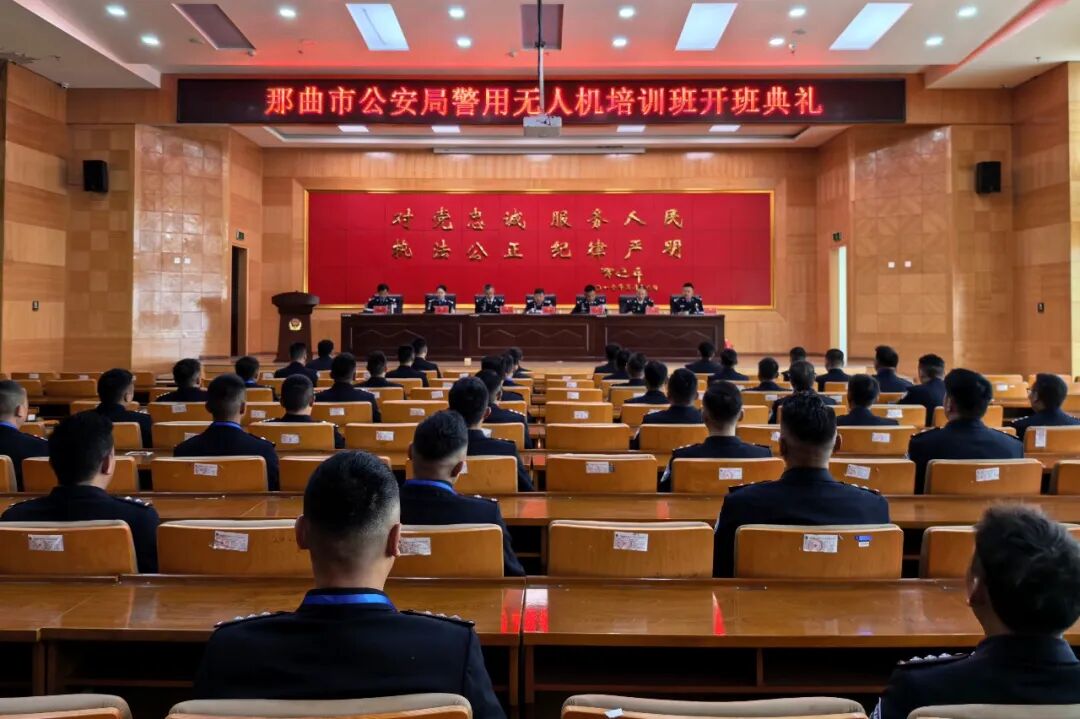
On 30 September, the British Tibetan human rights organization Tibet Watch published the Survey Report on Eyes Above the Plateau. According to the report, the researchers tracked the continued procurement of drones, self-motive banks and unmanned aerial detection and interference equipment by the public security system of the Tibet Autonomous Region and surrounding Tibetan areas, based on Chinese Government procurement, contracts, announcement of winning bids, police circulars, no-fly regulations and training materials, which have been made public since
- The United States not-for-profit survey agency C4ADS provided research support for the open source survey.
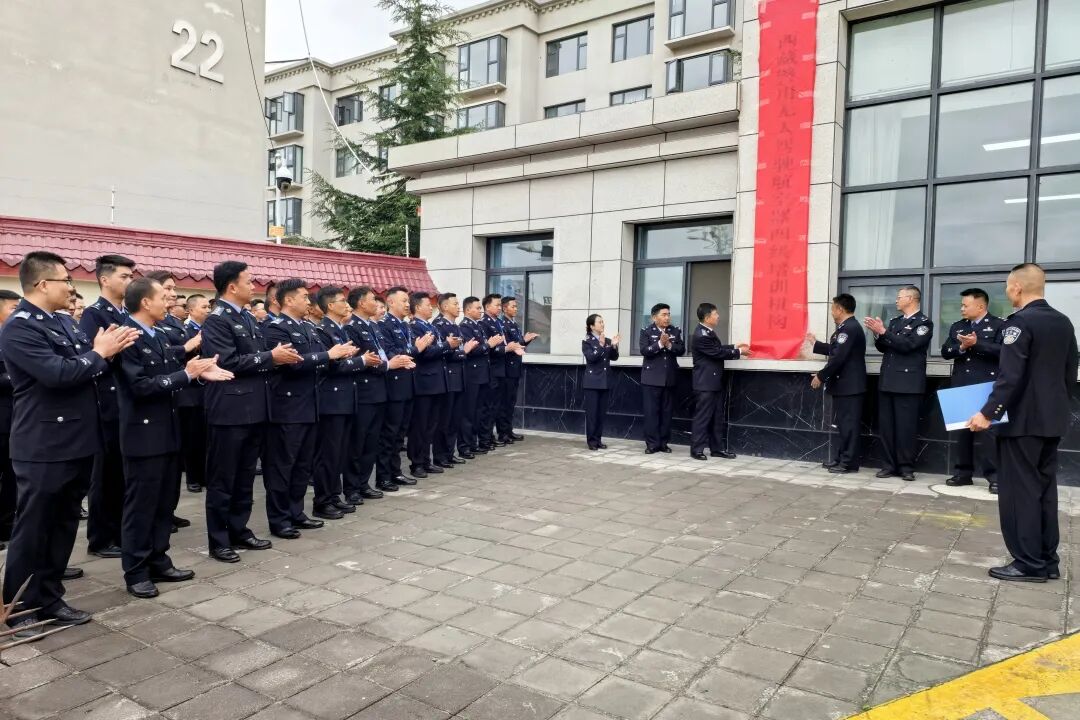
The procurement and police data listed in the report indicate that drones have entered the district-level public security, priority urban policing and low-altitude control systems at the border. Tibet Watch stated that the city of Natra, such as the county police, had the largest district fleet of aircraft they had identified, 18 drones and carried out daily patrols; About 15 months after protests against the Janto hydroelectric power project in 2024, the Gyonz county of Sichuan was able to procure four sets of the Taiji automatic drone hangars, which were deployed near the Tsangshi road checkpoint.
From general policing tools to “stable” missions, key to how official documents define their use
Tibet Watch stated that the training materials for Tibetan police drones it retrieved directly described the tasks as “stable”. In the Chinese Party system of governance, the public security organs are responsible for both general security and public safety and for maintaining political and social stability. This overlap is why it is necessary to determine whether a UAV deployment is a political oversight, not just a branding of equipment or a flight itself, but a continuing reconciliation of the procurement uses, training materials, missions and specific law enforcement targets.
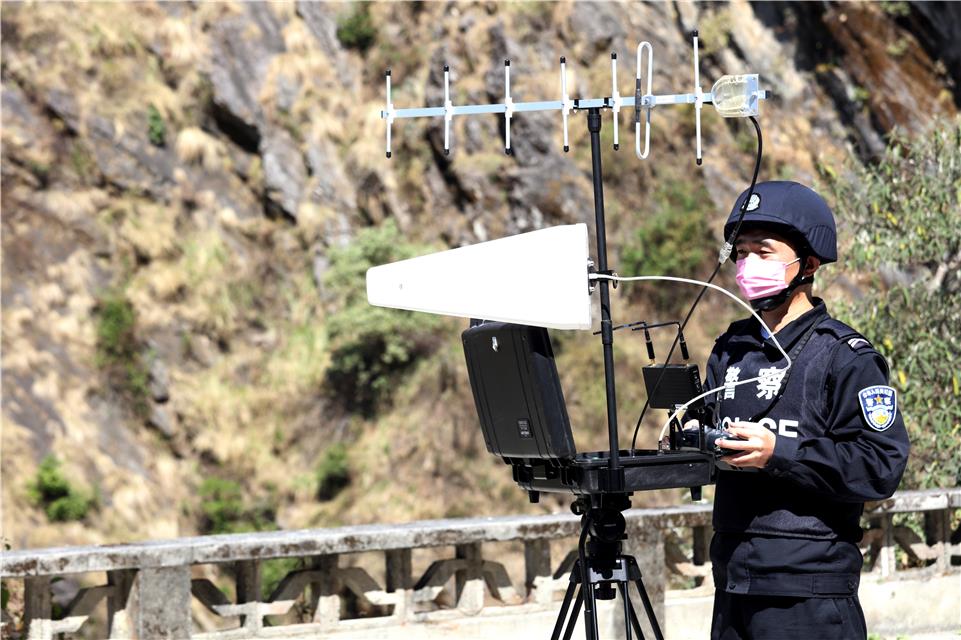
The report states that a major procurement priority for the Lhasa police in 2021 was not to increase the number of aircraft but to introduce unmanned aerial detection and interference systems. During Xi ' s visit to Tibet in August 2025, Lhasa and four other sub-district areas imposed a wide range of low-altitude flight restrictions; Public notification from Changdu also warned that unauthorized drones could be shot down. The report therefore concluded that the authorities had, on the one hand, expanded their official drone capabilities and, on the other hand, compressed unauthorized low-altitude space through real-name registration, no-flying and anti-unmanned equipment.
12 procurement packages for equipment in the Daejiang region totalling approximately $24.8 million
The investigators confirmed 12 security or government procurement contracts involving equipment in the Grande Frontier, for a total of approximately RMB 24.8 million, including 15 drones for the police units in the centre of Lhasa and around Dhohla Temple. Tibet Watch also stated that these transactions were carried out through dealers and that the public records available did not prove that Otsuka had entered into a contract directly with the relevant public security organs.
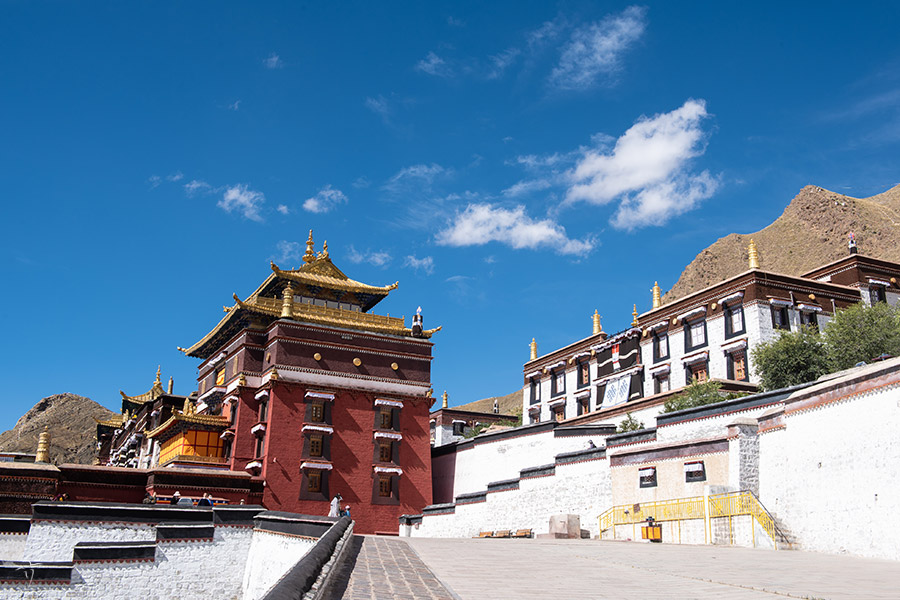
In Japan, it was reported that a public security jurisdiction had recorded over 5,700 drone operations since May 2024, with a cumulative flight of over 227,000 kilometres, including the monitoring of flows during major events. The jurisdiction includes the site of the Zashrunb Temple. The news value here is not to define each flight as political surveillance, but rather to the extent that the police have developed a continuous, scalable, inter-space-borne aerial observation capability.
Sites of protest, places of worship and access to border areas
The report compares the procurement sites with areas where protests, religious activities and high border controls have occurred in the past. For example, in 2013 the county protested against the forced use of political propaganda signs and the subsequent repression. Protests against the construction of hydroelectric plants occurred in 2024 in the Dug County. According to Tibet Watch, drone procurement is systematically linked to local “stable” missions.
In Lin Chi, near the Indian border, investigators also found a “low-altitude defence network” with a background for military involvement, which extended from radar detection to law enforcement disposal. Tibet Watch stated that this was the only urban-level drone control system found in its information with military involvement.
The real question is who authorized, who kept the data, who could monitor
The most valuable part of this report is not simply proof that “Tibet has drones”, but rather the introduction of public security procurement, no-fly rules, religious sites, protest sites and border management into the same administrative and security system. In a region where the CCP leadership, public security and the political and legal system have a large number of social control functions, the expansion of technical capacity requires, inter alia, transparent authorization, data access to borders and relief mechanisms.
The report should, however, remain at the evidentiary level. The findings of Tibet Watch are based mainly on open source surveys of government public documents and official information; Whether a particular flight is directed against a religious person, dissenter or protest participant still requires a flight record, law enforcement documents or witness testimony from the individual concerned on a case-by-case basis. It is possible to confirm at this stage that public procurement and police information have shown that the low-altitude observation, detection and counter-resistance capabilities of the Tibetan police system are expanding and that these capabilities are clearly placed in the “stable” mission by some official training materials.
Article discussion
Verified members can discuss this report publicly and manage their own content.
Checking member sign-in status…