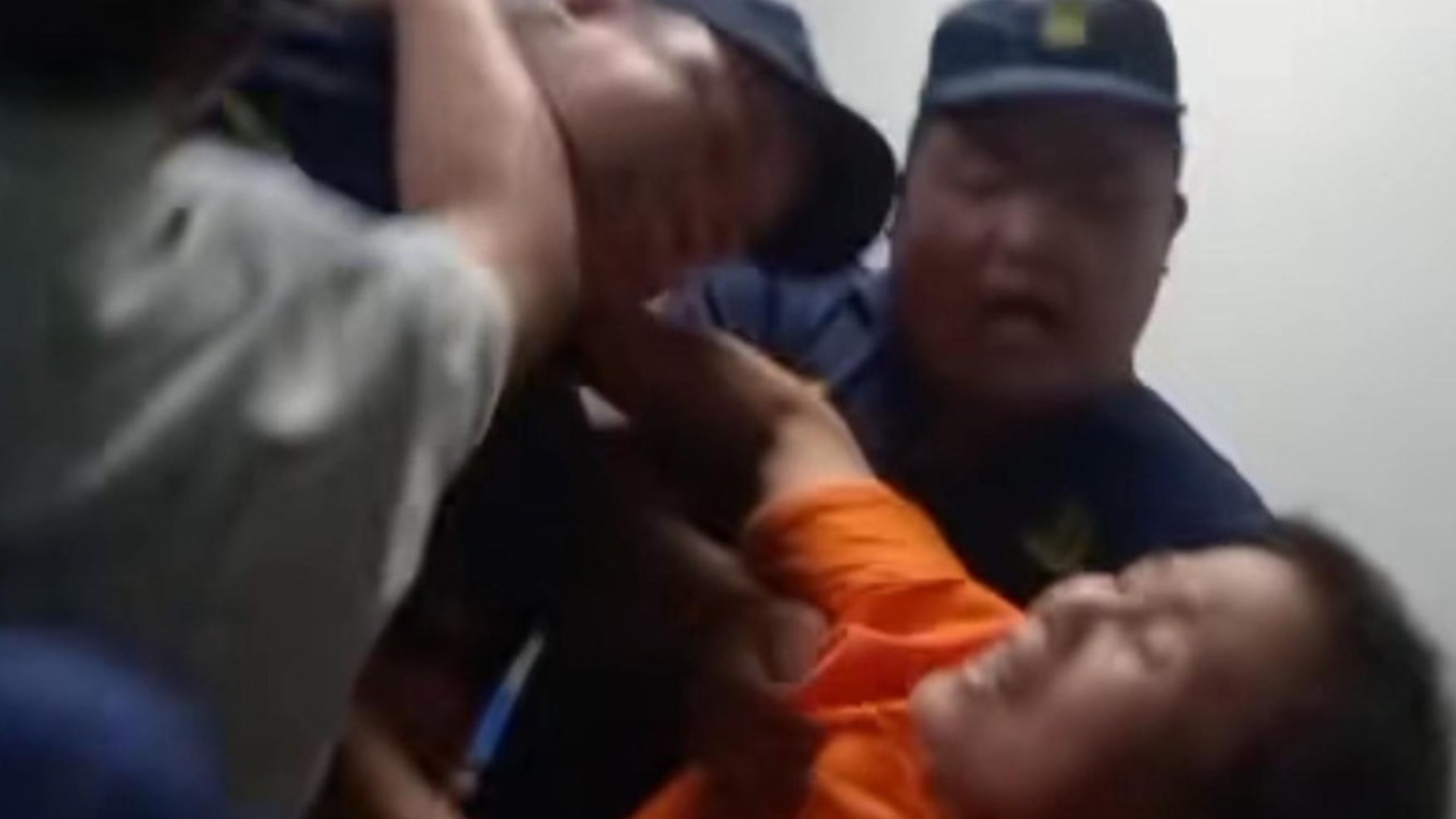
On 19 September, at around 9 a.m., Wu Xiao, 36 years old, was taken to the First People ' s Hospital in Jiangxia District, Wuhan city, for acute post-circumcirological infarction. At 1331 hours the hospital declared the rescue to be invalid. After about 10 hours, the family and the compound continued to stand in a standoff around the remains, culminating in a physical clash within the ICU.
In a public video, security personnel surrounded the hospital bed, pulling the remains with their families and moving them. The family described the process as “the taking of bodies”; The next day, the hospital stated that the prolonged detention of the remains of the ICU had affected the medical order and that the transfer had been carried out in cooperation with the public security authorities.
From death to conflict, hospitals and families compete for two different “priority”
The core concerns of families are the cause of death and medical responsibility. They questioned the medical process and wished to confirm the medical records, evidence and follow-up arrangements before the removal of the remains. The core concerns of the hospital are the ICT order and the procedures for the management of the remains.
On 20 September, the First People ' s Hospital in Jiangxia District informed that Wu Xiao had activated the green treatment route in his head after being admitted, and that his breathing heart had stopped and died. The AHCP subsequently indicated to the media that, under the Medical Dispute Prevention and Management Ordinance, the body of the patient should be transferred to the morgue or designated place after death; As the body remained in the ICU for approximately 10 hours, the transfer was carried out with the cooperation of the public security authorities.
原始来源 · thepaper.cn武汉江夏区第一人民医院发布情况通报医院说明患者入院、死亡时间及遗体转移经过。thepaper.cn ↗
Both these logics can be found on a systemic basis, but the problem is that they are not effectively coordinated. The family considered that the evidence was not yet fixed and the hospital considered that the ward could not continue to hold the body. When the communication mechanism failed, the institutional dispute was eventually taken over by the security forces.
What really needs to be traced, not just “Who first”
Open video can easily focus on the pull-out, but that is only the result. More crucial is whether the hospital completed the medical record containment instructions, informed the autopsy and identification route, arranged independent communication personnel and any other viable options before the public security intervention in the first 10 hours of the conflict.
Similarly, the family must return to the medical records, rescue records, medical examinations and necessary post-mortem examinations for “medical accidents” allegations. The mere video of the conflict does not justify medical responsibility, but the hospital cannot substitute the statement that the medical dispute itself is “the body should be transferred”.
Hospital security becomes a conflict of power once it enters the bed.
While the hospital has responsibility for maintaining the order of the ICTU, the presence of security personnel around the bed and physical confrontation with their families are in themselves high-risk disposals. It will quickly turn disputes that otherwise require professional medical and legal process to a dynamic confrontation between the family and the institutions.
This is also the reason for the widespread concern about the incident: rather than a medical history discussion, the public saw a crowd surrounding a body. This picture is very easily understood as an institution that is using coercive means to end a dispute in the case of a family member under double pressure to be widowed and to challenge medical responsibility.
One medical dispute, at least three lines of responsibility to be investigated separately
Article 1 is the medical act itself: whether the diagnosis, rescue and death of Wu Chi are in accordance with the norms; The second is the disposal procedure: whether the hospital has completed the necessary notification and evidence preservation; The third is on-site security and public security intervention: what power is used, who makes the decision, and whether there is no need for escalation.
The court stated that the authorities had intervened in the investigation. The real value of the result should be answered separately, rather than giving an overarching conclusion “as per law”.
The hospital admission of Wu Xiao to death was only a few hours, and 10 hours after death, a medical dispute was pushed into a positive conflict in the public video. For hospitals, professional competence is not only reflected in the rescue of patients, but also in the ability of patients to move evidence, communication and procedures ahead of security forces after their death.
Article discussion
Verified members can discuss this report publicly and manage their own content.
Checking member sign-in status…