
China’s IPO market has reheated after a long period of tightening, but regulators have begun to warn the issuers about another warning: not to use the window to push a large number of enterprises of inadequate quality to the market. The British Financial Times reported on September 10 that China had over 100 companies listed and raised about $28 billion this year, while regulators were concerned that the capital market would support science and technology innovation, while the low-quality supply undermined the just-recovered investment confidence.
原始来源 · ft.com金融时报:中国监管层警告投行勿向IPO市场输送低质量公司ft.com ↗On the surface, it is a quality management of the market; The deeper is the concentration of long-standing contradictions in China's capital markets. Beijing wants the market to assume the financing function, and is not willing to give the pricing, phasing out and resource allocation rights to the market. When, how much, and who gives priority to IPOs remain highly subject to industrial policy and macro-stability objectives.
Who defines “low-quality companies”
In normal markets, the quality of the enterprise is ultimately subject to disclosure, investor pricing and continuous transaction testing. However, the IPO system in China has been marked by a long history of administrative screening. Regulators consider profitability, industry attributes and whether they are in line with policy directions such as “strategic new and emerging industries” “new quality productivity”. As a result, the ability of a company to be listed is often not only a financial issue but also a matter of policy sequencing.
This does not mean that regulation should not stop counterfeit and inferior enterprises. On the contrary, China’s A-stock has been the most damaging to investors’ confidence in the past few years, namely, financial fraud, surprise dividends, related transactions, and a change in performance after listing. The problem is that truly effective quality control should rely on strict disclosure, legal liability and de-marketing mechanisms, rather than using administrative windows to determine who can line up.
If a market can rely only on regulators to constantly remind the issuer “not to send the garbage up”, it is in turn an indication that the accountability mechanism between the issuer, the sponsoring agency and the investor is still not really in place.
原始来源 · reuters.com路透:DeepSeek筹备科创板上市reuters.com ↗
Technology enterprises get green access, and the risks do not disappear
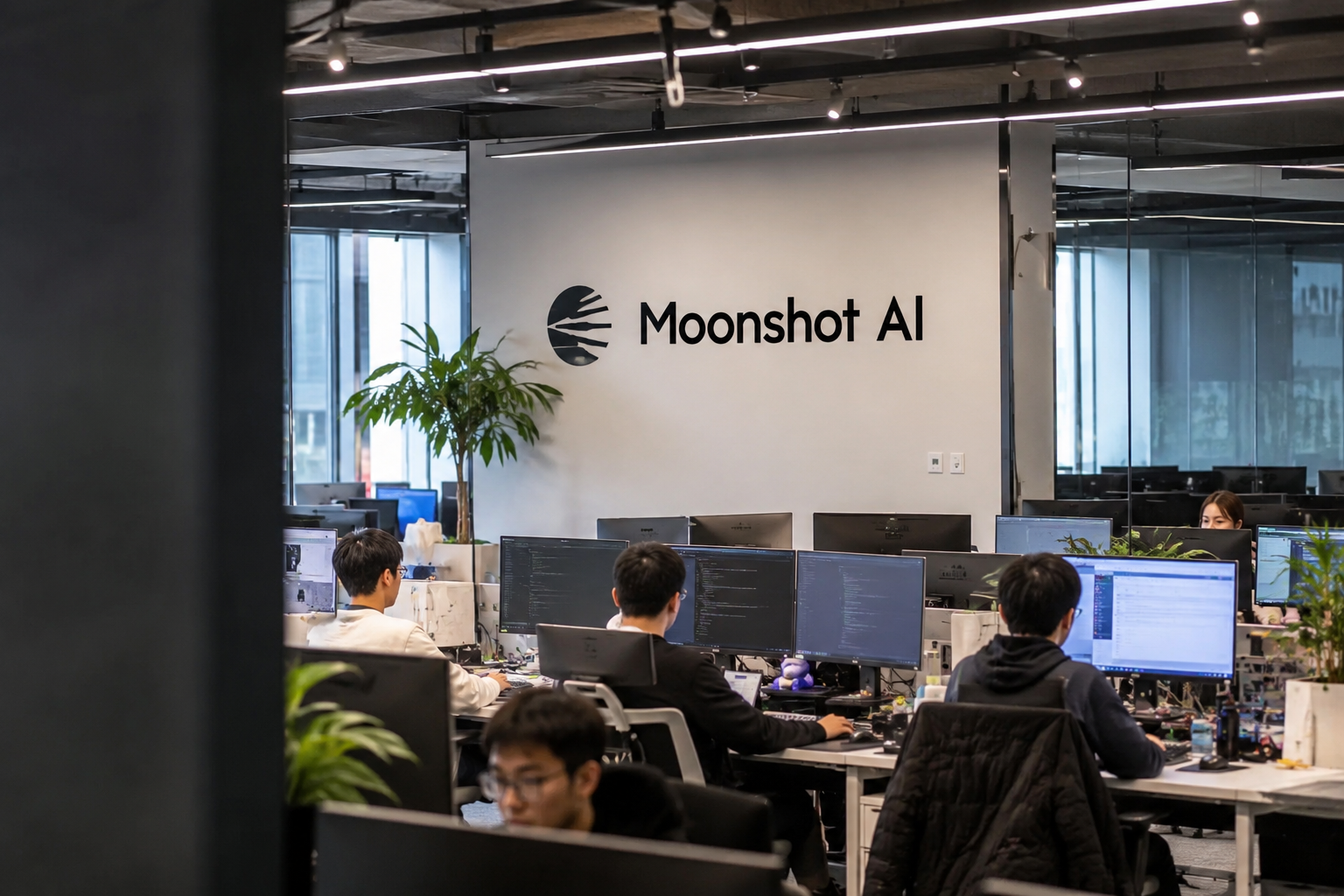
AI, semiconductor, robotics and new energy sources remain the most desirable directions for capital markets in Beijing. The dark side of the moon and the fact that companies such as DeepSeek are being sent to the market are just an indication of the continued concentration of policy capital in strategic science and technology. But the larger the technological story, the easier it is to mask the under-commercialization, cash flow pressures and high valuation risks.
The real answer to the question in the capital market is: can so-called “hard technology” firms accept as much stringent information disclosure as traditional companies? Will the importance of policy become an exemption from valuation? Are State-owned funds and local capital listed as exit channels after early entry? These issues determine whether the innovation market is an innovative market or a platform for the securitization of industrial policy assets.
China IPO Re-Hown has a triple political goal
- Resupply of long-term capital for science and technology enterprises and reduction of dependence on bank loans;
- Reactivation of long-term low-market sentiment and a return to the willingness of the population and institutions to enter the market;
- To further concentrate financial resources in the strategic industries identified in Beijing through listing and screening.
This explains why the regulatory layer is both “release” and “control”. If put too quickly, the market could repeat new stocks of surplus and hair-break; If too much control is exercised, technology enterprises lack financing for exports. The executive branch then continued to play the role of the main gate.
Focus China argues that the most lacking of Chinese capital markets is never officials who “pick out good companies”, but a system that allows bad companies to pay the real price. As long as the costs of forgery, liability for sponsorship, class action and discharge are insufficient, the front-end review is more stringent and risks are pushed back. The truly mature IPO system is not a regulatory choice for investors to make what is worth buying, but rather an unaffordable price for the truth of information, for the stability of rules and for the violators. The fear of the regulatory community today about the influx of “spam companies” is precisely an indication that the market-based reform is still in progress.
Article discussion
Verified members can discuss this report publicly and manage their own content.
Checking member sign-in status…