
The East District Court of Hong Kong ruled on September 10 that Dow Jones Publishing Co. (Asia) Inc., the publisher of the Wall Street Journal, tried to prevent former journalist Selina Cheng from running for president of the Hong Kong Journalists Association in violation of Hong Kong trade union laws.
The case rarely puts Hong Kong’s remuneration management, trade union rights and press freedom in the same criminal proceedings. Zhang was fired by the Wall Street Journal shortly after she was elected president of the Hong Kong Journal Association in
- She said senior editors had asked her to withdraw from the Association of Journalists and stop advocating for freedom of the press before the election; Dow Jones denied that the dismissal was linked to trade union activities and said Hong Kong’s job adjustment stems from the reorganization of business in Asia.
Court Confirms: Companies Can't Put Trade Unions Under Management License
Judge Zhang Zhiwei determined that Dow Jones asked Zhang for company approval before applying for a position in the Hong Kong Journalists Association, while the company was actually preparing to refuse approval. The court found that this practice constituted a deliberate legal right to prevent employees from exercising membership and holding registered trade union posts.
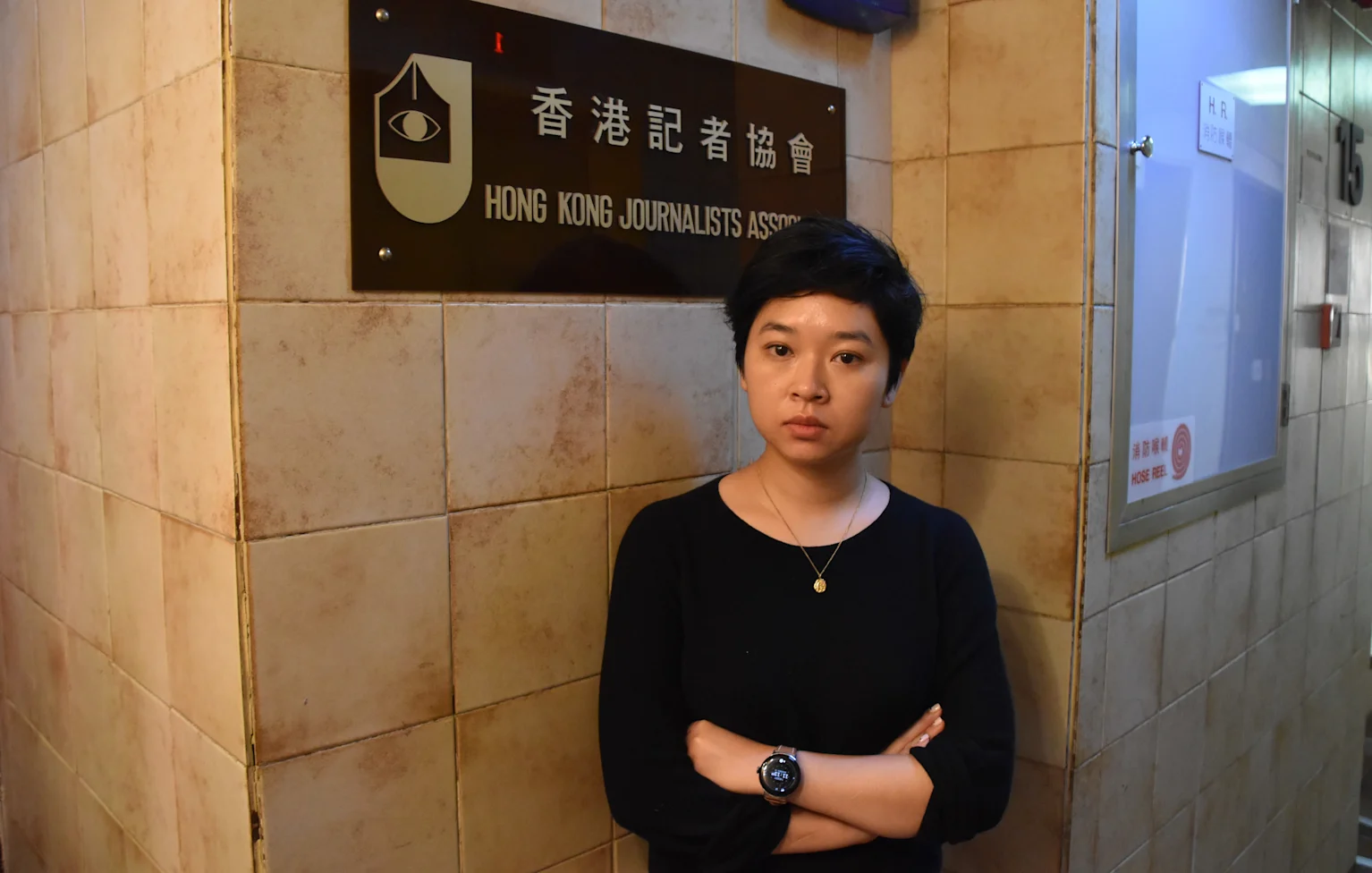
The judge mentioned in the verdict that the company had told Zhengzhou that she could not continue to be employed if she was president of the Association of Journalists.Dow Jones disagreed with the conviction and said it was evaluating the next legal option.
The importance of this ruling is that the courts did not place the “interest conflict policy” within the news agency above the trade union law. Employers can formulate rules for occupational practice and external activities, but cannot deprive employees of their right to join trade unions and hold trade union posts in accordance with the law through internal approval mechanisms.
The dismissal accusation is unfounded and does not mean that the court has accepted all of the company’s claims.
Zhang’s second indictment was that Dow Jones fired her for her position as a trade union leader. The court eventually found the company innocent on the grounds that it could not rule out the possibility that the company was indeed undergoing a restructuring of its business in Asia.
原始来源 · apnews.comAP:Dow Jones在香港工会权利案一项罪成一项无罪美联社报道法院区分妨碍工会权利与非法解雇两项控罪。apnews.com ↗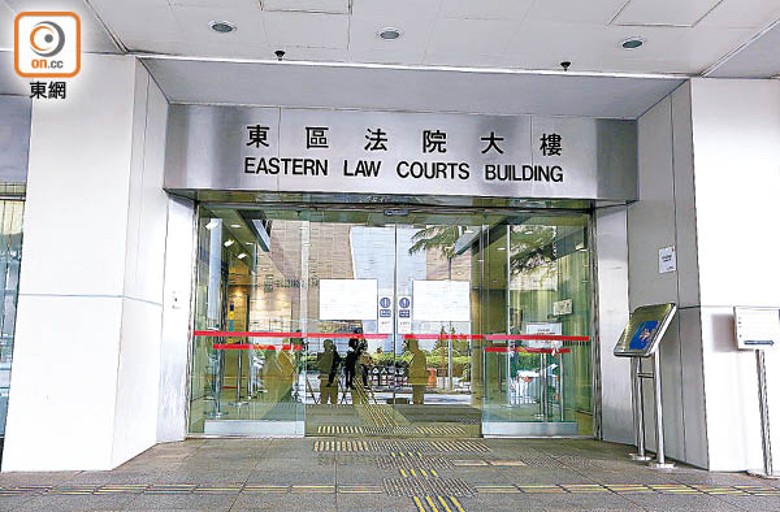
In 2024, the Wall Street Journal shifted the focus of Asian business from Hong Kong to Singapore, and cut some of Hong Kong’s jobs, according to the court, making it impossible for prosecutors to meet the proof criteria required in criminal cases.
The same judgment confirmed two things at the same time: it was illegal to prevent Zhengzhou from running for a trade union, but the prosecutor failed to prove that the only or decisive reason for her subsequent dismissal was her trade union status.
Criminal innocence means that evidence is insufficient to rule out reasonable doubts, does not equate to the court’s ruling that all statements about management pressure are false, nor does it equate to the employer’s full recognition of the handling of the whole case.
Private prosecution puts labor rights cases into criminal justice proceedings
In Hong Kong, private prosecution allows individuals to initiate criminal proceedings directly in specific circumstances, but is still bound by the authority of the courts and the law department.
After the verdict, Zheng said that it would be difficult for journalists to work safely if the remuneration rights of journalists were not guaranteed.The International Federation of Journalists also welcomed the part of the conviction, believing that the case confirmed the fundamental right of journalists to participate in trade unions.
原始来源 · ifj.orgIFJ:郑嘉如工会权利案件判决国际记者联合会9月11日对香港法院判决的声明。ifj.org ↗Dow Jones said the Wall Street Journal has long respected Hong Kong's labor laws and supported employees' rights, while continuing to safeguard the independence of its press work.
Press freedom pressure not only comes from the government, but may also enter employment relationships
After the implementation of the National Security Law, the media such as the Apple Daily and Position News ceased to operate, several journalists and media managers were prosecuted; the Hong Kong Journalists' Association has also long been criticized by established media and officials.
In this context, how the international media deals with the question of how journalists participate in professional organizations is of additional significance. The Association of Journalists is both a trade union and a press freedom initiative organization. When employers worry that the employee’s position in the association will affect the company’s relationship with the government, business partners or regulators, there may be a mechanism of pressure within the news organization that differs from direct government censorship.
The case did not decide that Dow Jones acted under pressure from Beijing or the government of Hong Kong, and there is no evidence to draw this conclusion.But the court has confirmed a more concrete fact that, in the case of Zheng’s candidacy for trade union chairman, the company has indeed crossed the boundaries of Hong Kong law that allows employers to manage the external activities of employees.
A small fine case concerns whether journalists can organize
Compared to the years of imprisonment involved in the National Security Law cases, the trade union law may seem to be fined up to $100,000, but the impact of organizing the news industry is longer: whether journalists can collectively negotiate, openly discuss occupational risks, speak out for colleagues arrested or fired, determines how much the media has to protect itself under political and commercial pressure.
The Hong Kong Court’s ruling did not address the overall deterioration of press freedom and did not overturn Zheng’s dismissal, but it confirmed a legal bottom line that still exists: Even in a highly politized media environment, the right of journalists to join and lead legitimate unions cannot be revoked by employers themselves.
With an increasing number of Hong Kong media agencies shrinking, transferring business or tightening internal rules, whether this bottom line can continue to be enforced in other cases will directly affect the actual organizational space of journalists.
Article discussion
Verified members can discuss this report publicly and manage their own content.
Checking member sign-in status…