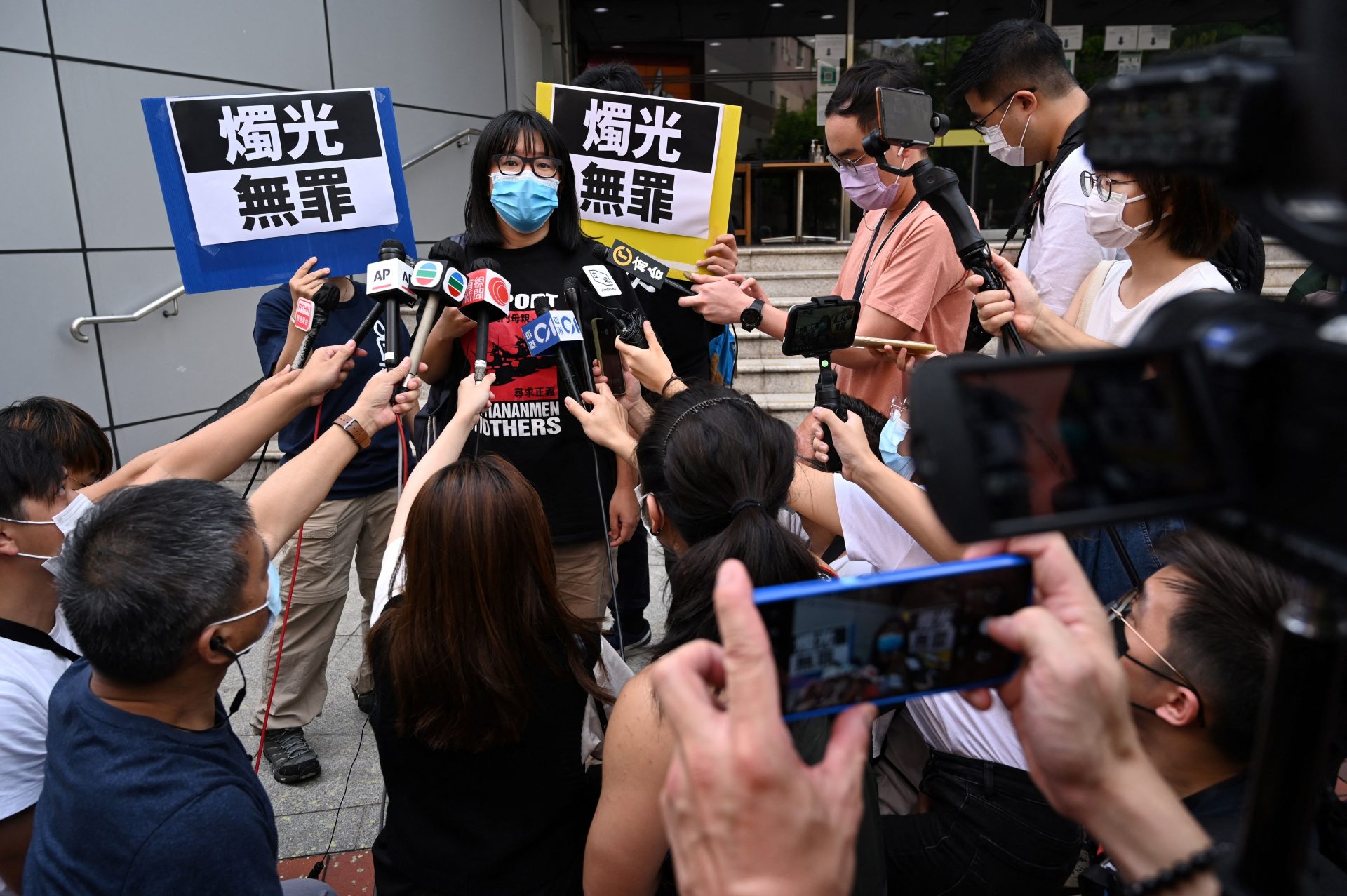
The former Vice-President of the Hong Kong SAR, Zou Xianxiang, has appealed the conviction and sentence in the NSA case. (a) The information from the Hong Kong judiciary that she filed an appeal on 5 October challenging her conviction for “inciting subversion of the State” and her seven-month prison sentence; As of 7 October, the case had been registered but had not yet been scheduled for trial.
This means that the AFDL case did not end with the sentence in September. For Zou Xianxiang, the appeal will address two core issues at the same time: how the original court of first instance defines “incitement to subversion” and how an organization that has long been dominated by the six-four-year memorials, democratic initiatives and public remembrances can be incorporated into the framework of criminal responsibility under the National Security Law.
The original trial decided to link political objectives to organizational activities as a chain of evidence
The dissolved Hong Kong Citizens' Union for the Patriotic Democratic Movement, former President Li Zhuang, former Vice-President Ho Joon-in and Zou Xianjin were all charged with the same crime of incitement to subversion. The original court of appeal found the case to be of a serious nature and incorporated the long-standing political claims, organizational activities and public initiatives of the Federation into the overall judgement.
(a) After sentencing, the HKSAR Government stressed that the law does not allow anyone to endanger national security in the name of human rights, democracy and freedom; The Government considers that the court decision confirms that the act in question has crossed the legal expression boundary. For their part, the defence and supporters have consistently argued that peace remembrance, political initiatives and criticism of the Government should not automatically be equated with subversion of State power.
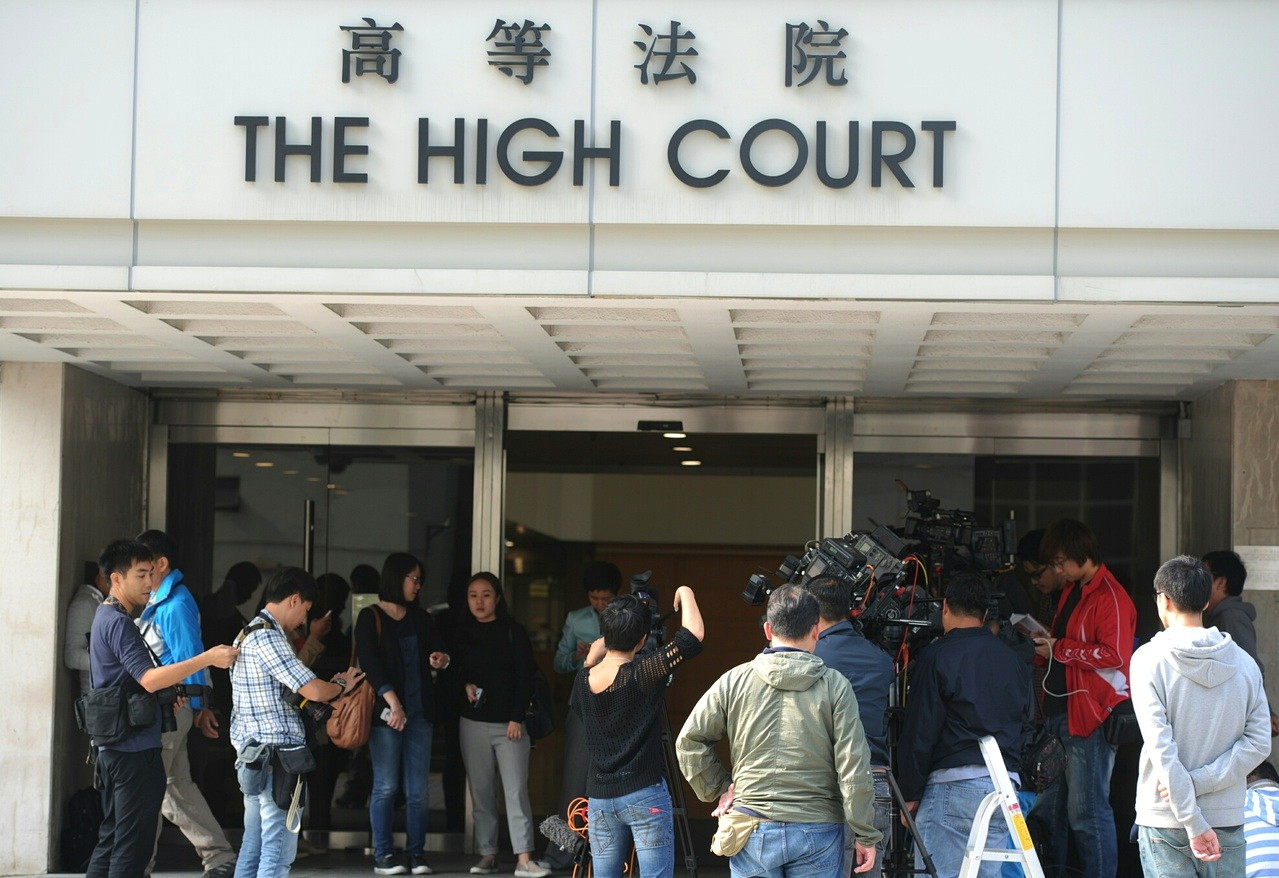
The Court of Appeal has to examine more than the length of the sentence
In ordinary criminal cases, appeals may be based on the adequacy of evidence, the correct interpretation of the law, the fairness of the proceedings and the apparent excessive length of the sentence. The special feature of the national security case is that the Court must at the same time explain the line between political expression and criminal conduct.
Zou Xianxiang has also in the past been granted final judgement in another case relating to the request for information on the national security investigation. That decision demonstrated that prosecution proceedings and the basis of evidence could still be subject to judicial review even in national security cases. However, the charges, facts and legal issues involved in this JAF case are broader and the outcome of the appeal cannot be inferred from the previous case.
Case also concerns the preservation of 6-4 public memory in Hong Kong
The Federation hosted a long-standing six-and-a-half candlelight memorial before its dissolution. After the implementation of the National Security Law, the assembly was stopped, the organization was investigated and eventually dissolved, and several core figures were prosecuted. The resulting legal consequences have exceeded the individual ' s sentence and have changed the institutional environment in which Hong Kong publicly commemorates the Fourth Year.
After Zou Xianxiang's appeal, the Court will again face a legal controversy that has been going on for several years: how the national security law should deal with peaceful political initiatives and what organizational objectives and statements can be sufficiently translated into criminal evidence of “inciting subversion”.
The value of the appeal proceedings is here. Whatever the final outcome, the court must re-state the legal standard upon which the conviction is based. For a city where a large number of political expressions have been transferred to criminal trials, these criteria determine not only the sentence of Zou Xianxiang, but also what others can say, organize and what legal risks they need to assume in the future.
Article discussion
Verified members can discuss this report publicly and manage their own content.
Checking member sign-in status…