
at <a href="https://www.elegislation.gov.hk/hk/A406"target" = "nopener noreferrer" data-linked-reference = "tru" data-reference-label = "Strategy to overthrow the State's regime" under the Hong Kong National Security Act. For the Chinese prosecution files, this sentence is not only the end of the sentences of the three democratic activists, but also the restoration of the original chain of State responsibility from the National Security Police to the prosecution of the Department of Justice to the decision of the designated national security judge.
Behind the sentencing figures: three accused and a disbanded organization
The Federation has long organized a six-and-a-four candlelight memorial at Victoria Park in Hong Kong. In 2021, in the political environment following the implementation of the Hong Kong National Security Act, the Hong Kong Police National Security Service (HKNPS) initiated operations against the FUNCU and its head, and subsequently organized the dissolution of the organization. The government has been accused of inciting subversion of state power.
The sentences on 11 September were:
原始来源 · zaobao.com.sg香港支联会三人煽动颠覆罪成判刑zaobao.com.sg ↗- Salent: 7 years and 3 months;
- Redrian: 7 years;
- Ho Jun-in: 5 years and 2 months.
The Court incorporated the long-standing political platform of the FUNCAH “Ending One Party dictatorship” into the framework of the charges of subversion in the meaning of the National Security Law, making the line between political claims, commemorative activities and criminal responsibility the core of the human rights controversy in the present case.
Lee Guihua: Public duty in the chain of investigation by the National Security Police
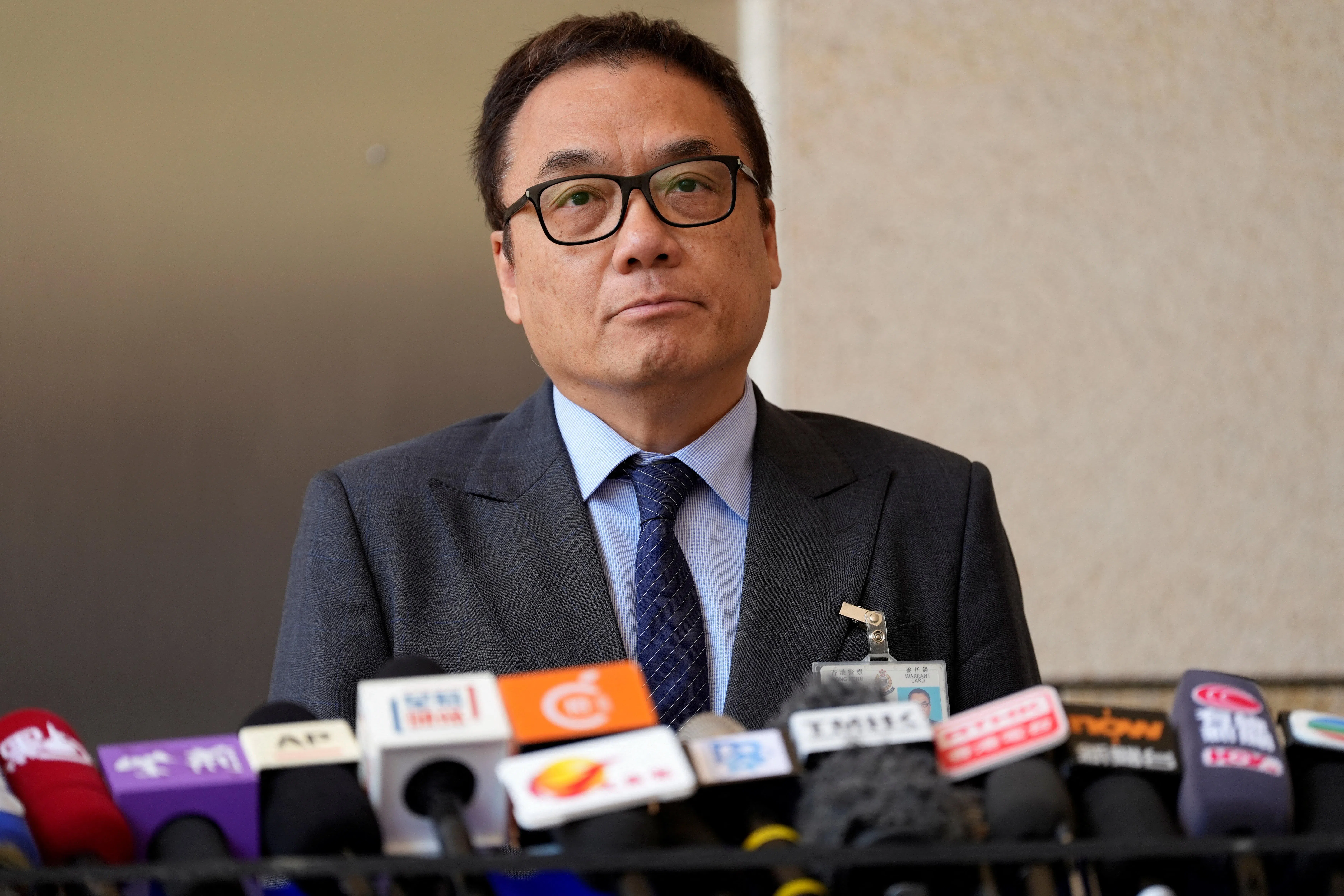
On the day of sentencing, the Chief of the National Security Department of the Hong Kong Police Service, Lee Guihua, was interviewed by the media outside the court of West Kowloon. Li Guihua has long been a public head of the National Security Service in the enforcement and presentation of the AFDL case. The Police National Security Service is the key executive body in this case, from investigation, arrest, search for evidence and referral to prosecution.
In September 2021, the National Security Police arrested the members of the FAS and searched the organization-related 64 Memorial Museum. The Police have also requested the FUNSION to submit information on the organization, its members and its contacts abroad, in accordance with the implementing regulations of the National Security Act. After the refusal of the request, the other case was brought against him for “insubordination of the notice”.
The first layer of the chain of responsibility is therefore not the abstract “Hong Kong Government”, but the National Security Service of the Hong Kong Police Service, which is specifically conducting the national security investigation. As a senior police officer who publicly represents the State Security Service in the case, Li Guihua is one of the identified and sustainable persons responsible for the record in this chain of law enforcement.
From Police to Department of Justice: How to get political cases into the State Security Court
After the police have completed their investigation, criminal prosecution is the responsibility of the Hong Kong Department of Justice. Unlike ordinary criminal cases, the Chief Executive of Hong Kong appoints judges to deal with cases that endanger national security in accordance with the law; The case is then heard by the designated judge.
This formed the second and third tiers of liability in the case:
One. The National Security Division of the Hong Kong Police Service is responsible for investigating, arresting and searching for documents;
- The Hong Kong Department of Justice decides and promotes criminal prosecution of the National Security Act;
- The system of State security judges appointed by the Chief Executive is responsible for hearing and sentencing;
The Queen of the West is a great country. The National Security Act of Hong Kong and its implementing mechanisms provide the institutional basis for the entire prosecution chain.
原始来源 · elegislation.gov.hk香港国安法官方文本elegislation.gov.hk ↗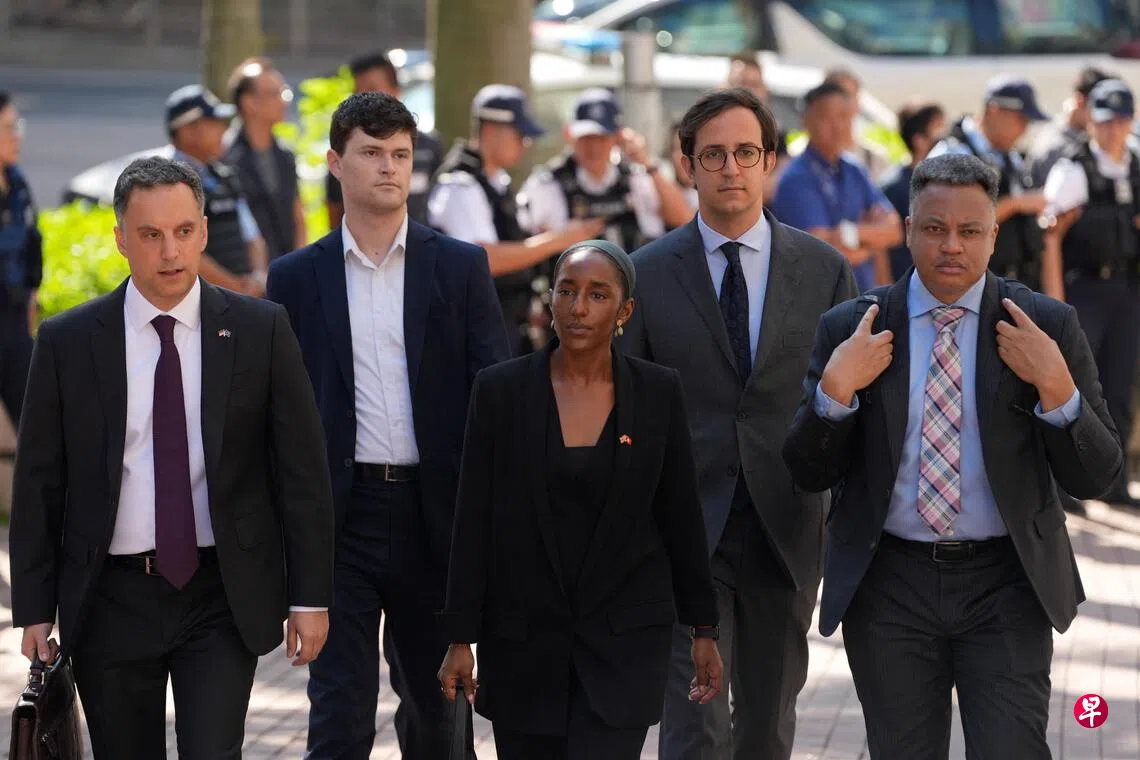
This chain indicates that the penalty for the three members of the FUNCES is not an isolated decision of a police officer or judge, but is carried out jointly by the police, prosecution, administrative designation mechanisms and judicial decisions.
Other set of outside the Court: diplomats listening to and speaking out with their families
September 11th, the day of the sentence,https://www.zaobao.com.sg/news/china/story20260911-9661162"target" rel = "nopener noreferrer" data-linked-reference= "tru" data-reference-label = "Asympic Sentencing Day Report" > Representatives of multinational consulates in Hong Kong visit the West Kowloon Court . The wife of the Lee Cheuk, Deng Yanta, was also interviewed outside the court. The presence of international diplomats has kept the case under human rights and diplomatic concern outside Hong Kong.
The Li Cheuk people have long been involved in the Hong Kong Labour and Democracy Movement; (a) Lucky Zheng is both a lawyer and an important public representative of the League in the era of national security law; He Jun-in was a member of the Hong Kong Legislative Assembly and President of the Democratic Party. The three were of different public status but eventually included in the same “sedition to subversion” case.
The liability file cannot be suspended from the sentence: who will be to be completed, who will be to be executed and who will be promoted
The Chinese accountability file will continue to divide the record of responsibility into specific persons and institutions, rather than being categorized as “portal pressure”. The next phase will need to be continued:
- The change of the head of the SNSD, the lead investigator and his subsequent duties in the case;
- The principal persons involved in the prosecution of cases and the prosecution decision documents of the Department of Justice;
- Name of the designated national security judge responsible for the trial, conviction and sentencing, the mechanism for appointment and the relevant sentence;
- The statutory responsibility of the Chief Executive in the system of designated State security judges;
- Administrative and law enforcement documents on disposal of the property of the Council, the memorials and organizational materials;
- The time of detention and the possible appeal proceedings for the serving of sentences, the time spent in detention, and the time spent in detention.
The core of responsibility in this case is how the power of national security has been transformed from a political law to arrest, prosecution, conviction and long-term imprisonment for specific individuals and organizations. The sentence is not the end of the liability investigation, but a new node that can reverse the whole chain of power.
Article discussion
Verified members can discuss this report publicly and manage their own content.
Checking member sign-in status…