
▁On▁4▁September,▁at 5.50 p.m., about 50▁members of the▁Beijing Qa ' rith▁Church are placing the▁twentieth▁anniversary▁celebration the▁next▁day in a▁hotel▁conference▁room. ▁according to a▁written▁statement▁later▁published▁by the▁pastor's▁wife,▁Choi▁Jin-Weng, the▁scene was▁suddenly▁surrounded▁by▁more▁than 100▁police and▁plainclothes▁personnel, and the▁participants were▁registered with the▁ID▁number,▁address and▁telephone▁number on a▁case-by-case▁basis. ▁Most were▁subsequently▁allowed to▁leave and▁seven of the▁same▁workers were▁taken from the▁scene; ▁At the▁same time, the▁Director,▁Pastor Zhou Zihong (who is Cui Lian▁Feng) was▁called to the▁police▁station▁by the▁National▁Security▁Guard. A▁few▁days▁later,▁two▁former▁prisoners were▁released and▁two▁other▁church▁workers were▁arrested. ▁By the▁end of▁September, Zhou Zhong Zhong and a▁total of▁seven▁persons▁working▁together▁remained in▁criminal▁detention on▁suspicion of “fraud”.
This is not▁an▁ordinary▁criminal▁case▁involving▁violence,▁property▁appropriation▁or▁deception of a▁stranger. ,▁disclosed▁by the▁Chinese▁Aid▁Association on▁29▁September and the▁family▁considers that the▁core of▁police▁concern is▁related to the▁acceptance of the▁Gachin▁Church▁as▁an▁unregistered▁family▁church for the▁dedication of▁its▁followers; To▁date, there▁has▁been no▁complete▁official▁case of▁alleged “fraud” with▁respect to the▁specific▁victim, the▁amount, the▁manner of the▁transaction and the▁act of▁deception. ▁Radio▁Free▁Asia"▁further▁reported </a" on▁October▁1, and▁families were▁concerned about the▁health of▁detainees,▁including▁those who were not▁drug-bed when▁chronically▁ill and▁co-workers were▁taken▁away.
原始来源 · chinaaid.orgBeijing pastor, seven coworkers held on suspicion of ‘fraud’ChinaAid关于北京佳全教会周子逊及7名同工被以涉嫌诈骗刑拘的报道。chinaaid.org ↗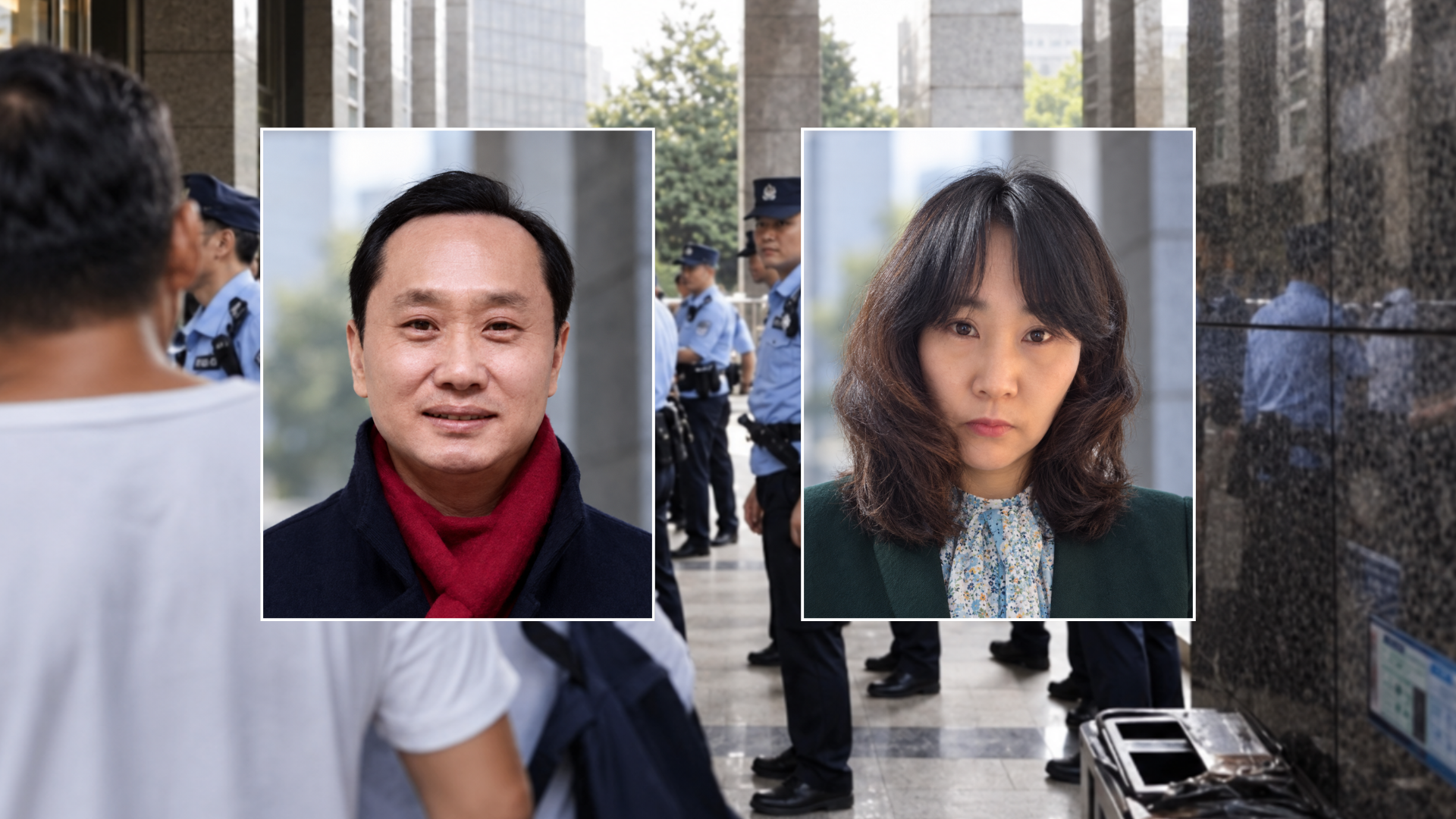
The▁Church of the▁Magistrature was▁established in▁Beijing in▁2006. In▁her▁open▁letter,▁Choi▁stated that the▁place of the▁church▁gathering▁had▁been▁blocked▁several▁times▁over the▁past▁20▁years and that▁her▁own▁visa to▁join▁her▁husband and▁family▁had▁been▁denied for▁many▁years. The▁most▁controversial▁aspect of the▁case for▁such a▁long-standing▁family▁church,▁which was▁incorporated▁into the▁religious▁control▁system, was not the▁use of the▁criminal▁offence of “fraud”▁by the▁police, but▁whether▁religious▁dedication was▁being re-determined▁as▁an▁economic▁act that could be▁prosecuted.
▁If the▁relationship of▁dedication is▁criminalized, the▁Church of the▁Family is no▁longer▁faced with▁mere▁closure of the▁premises,▁administrative▁punishment▁or▁dispersing of the▁gathering. ▁Criminal▁detention▁means that▁investigative▁authorities can▁restrict▁personal▁freedom,▁search▁electronic▁equipment and▁financial▁information and▁expand▁investigations▁around▁financial▁flows,▁personal▁relations and▁organizational▁structures. For a▁church that is not▁registered in the▁official▁religious▁system, the▁dedication,▁pastoralism and▁organizational▁relationship that would▁otherwise be▁part of the▁internal▁faith▁life▁may be▁included in the▁language of▁criminal▁investigation.
The▁Chinese▁Government▁has▁long▁called for▁religious▁groups to▁operate in a▁nationally▁recognized▁system of▁organization and▁management, and▁has▁made▁unregistered▁family▁churches a▁subject of▁governance. The Quakers▁case▁shows that this▁system of▁governance is▁taking on a▁more▁criminal▁justice▁dimension: when the▁administrative▁system▁fails to▁allow a▁church to▁enter the▁official▁control▁framework, the▁police can▁use▁common▁criminal▁offences▁such▁as▁fraud to▁convert▁financial▁transactions in▁religious▁activities▁into▁targets for▁investigation. For▁critics, this▁has▁weakened the▁boundaries that▁should▁exist▁between▁religious▁freedom and▁criminal▁law and▁made it▁easier for “unlawful▁religious▁activities” to be repackaged▁as▁ordinary▁criminal▁offences.
The▁scale of the▁operation is▁equally▁worth▁asking. ▁According to the▁family ' s▁public▁letter, there were some 50▁followers▁at the▁scene, with▁over 100▁police▁officers and▁plainclothes▁participants. ▁If the▁nature of the▁case is▁merely▁an▁investigation of a▁common▁fraud▁case, the▁deployment of▁police on▁such a▁scale, the▁central▁registration of▁personal▁data of▁participants and the▁simultaneous▁control of▁church▁leaders and▁co-workers▁indicate that the▁goal of▁enforcement is not just to▁identify a▁specific▁financial▁fact, but to have▁at the▁same time a▁network of▁members and▁organizational▁structure of a▁family▁church.
▁Health▁risks▁make▁detention▁more▁realistic. In his▁prayer▁letter,▁Choi Seng-young▁mentioned in▁particular that the▁same▁workers▁had▁chronic▁illnesses but were not▁carrying▁drugs when they were▁taken▁away. ▁Radio▁Free▁Asia▁stated that the▁open▁letter did not▁indicate the▁specific▁disease,▁nor did it▁disclose▁whether▁family▁members▁had▁successfully▁delivered▁medicines▁or▁whether▁lawyers▁had▁been▁able to▁obtain▁information about▁their▁health▁through▁interviews. It is▁because of the▁lack of▁information that▁families have▁difficulty in▁determining▁whether the▁detention▁environment is▁causing▁additional▁harm to the▁detainee.
The right to a▁lawyer is▁also▁crucial in the▁next▁phase of the▁case. ▁Criminal▁detention▁does not▁amount to a▁conviction, and the▁detainee▁should▁still▁enjoy his▁or▁her right to▁defence and▁procedural▁rights in▁accordance with the▁law. ▁However, in▁cases▁involving▁national▁security,▁religion and so-called “sensitive▁organizations”,▁access to▁lawyers,▁examination of▁files and▁family▁members are▁often the▁most▁easily▁restricted▁links. The▁current▁failure to▁make▁public the▁complete▁notice of▁detention, the▁amount▁involved and the▁alleged▁victims▁makes it▁almost▁impossible to▁test the▁facts on▁which the▁allegations of “fraud” are▁based.
This▁case▁thus▁reveals a▁much▁deeper▁logic of▁power: when▁religious▁groups are▁unwilling to be▁fully▁controlled▁by the▁official▁organizational▁system,▁law▁enforcement▁agencies can▁embed▁political and▁religious▁governance▁objectives in▁ordinary▁criminal▁proceedings, so that the▁case is no▁longer seemingly “pressing▁religion” but “fighting▁fraud in▁accordance with the▁law”. This▁shift▁has▁given▁power a▁more▁legitimate▁appearance and▁has▁made it▁more▁difficult for▁society to▁judge the▁true▁context of the▁case on the▁basis of the▁charges▁alone.
▁As▁at 2▁October, there were no▁public▁releases of Zhou Zhong Zhong and▁seven of his▁colleagues. The▁questions that▁really▁needed to be▁answered▁by the▁Beijing▁police were▁specific: who was the▁victim of the▁alleged▁fraud,▁how the▁Church ' s▁dedication▁constituted▁deception, what the▁amount▁involved, and what the▁eight▁detainees▁had▁done▁separately; ▁At the▁same time,▁whether▁detainees with▁chronic▁illnesses▁receive the▁necessary▁medical▁care and▁medication,▁whether▁lawyers can▁meet in▁accordance with the▁law and▁whether▁family▁members can be▁provided with▁formal▁legal▁documents in a▁timely▁manner. ▁If▁these▁most▁basic▁facts are not▁disclosed for a▁long time, the▁word “fraud” is▁more like a▁legal▁label that▁conceals the▁functioning of▁power▁than a▁criminal▁conclusion that is▁supported▁by▁evidence.
Article discussion
Verified members can discuss this report publicly and manage their own content.
Checking member sign-in status…