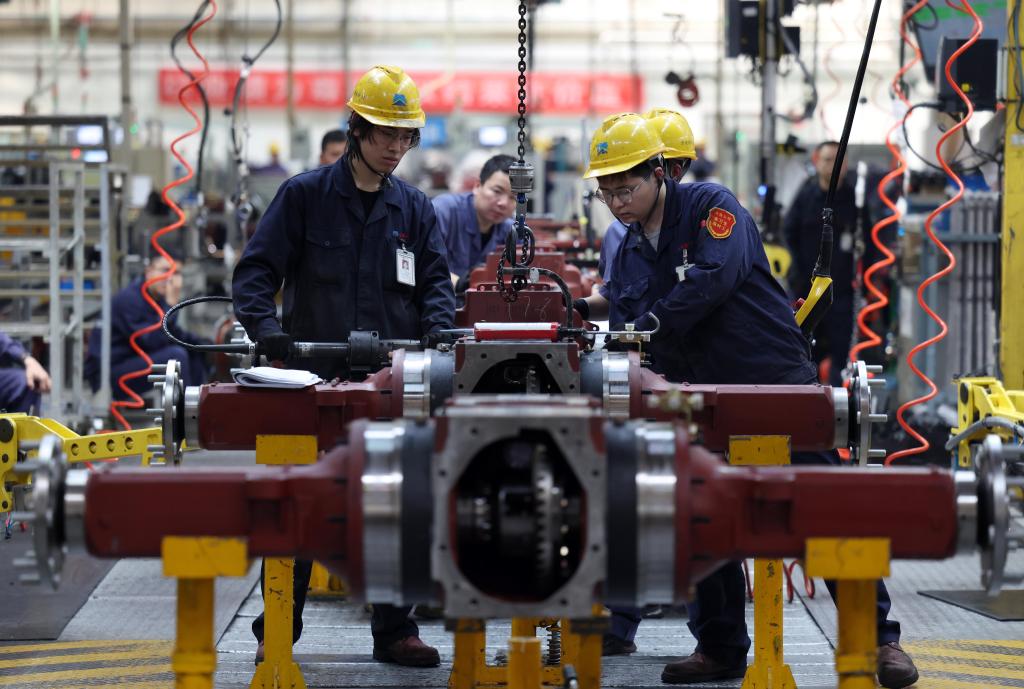
Data released by the National Statistics Office on 30 September show that the index of Chinese manufacturing procurement managers (PMI) was 50.1 per cent in September, up 0.3 percentage points from August, and re-entering expansion. The National Statistical Office summarized this change as “a return to the manufacturing industry”. On the same day, a private manufacturing survey published by RatingDog recorded 52.1 and showed an improvement in plant activity in September.
原始来源 · stats.gov.cn国家统计局:2026年9月中国采购经理指数运行情况stats.gov.cn ↗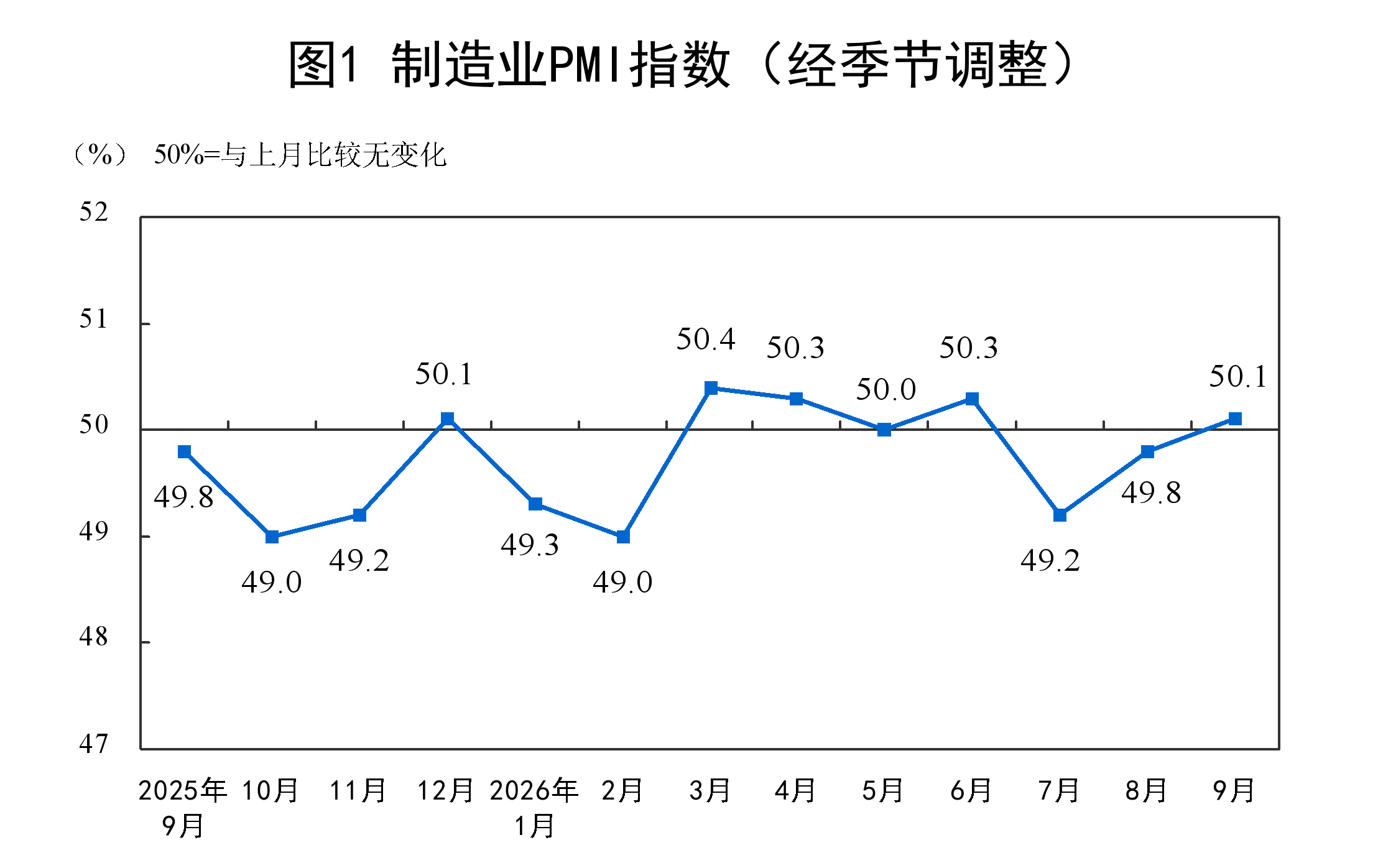
While the official total index has crossed 50, it is a positive sign, but disaggregated data show that improvements at the production end have not been synchronized to a greater demand for SMEs and for workers. The production index rose to 51.7 per cent, the new order index to 50.5 per cent and the procurement volume index to 51.0 per cent; At the same time, the medium-sized enterprises PMI is 49.7 and small-scale enterprises 48.9, and the number of employed persons has dropped to 48.4.
“Re-extension” does not mean that all firms are expanding
The large enterprise PMI, which is 50.6 per cent in terms of size, remains in the expansion zone; Medium-sized and small enterprises, although up from last month, are still below the 50-th critical point. This fragmentation means that the improvement of macro-manufacturing indicators cannot be simply understood as a simultaneous recovery of enterprises of different sizes.
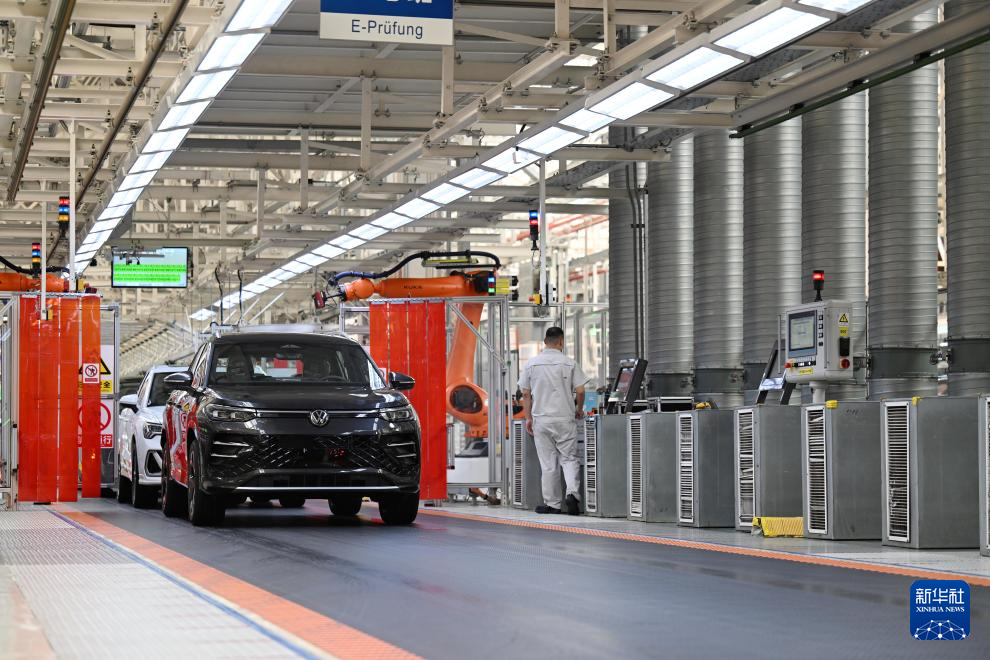
The National Statistical Office published an employment index of 48.4 per cent, a decrease of 0.3 percentage points compared to August. It is particularly important to note that the PMI employment index is below 50 and that the weak judgement of the managers of the enterprises interviewed about changes in the use of the WCD is not equivalent to a “1.6 per cent decline in manufacturing employment” or other direct employment decline. However, it shows at least that the willingness to expand is not synchronized with the same month of improved production and order.
Official growth goals end up in employment and income, not just production figures
The 2026 Government report set the annual growth target at 4.5 to 5 per cent, while proposing that urban employment be increased by more than 12 million people, and that income and economic growth be synchronized. The manufacturing PMI cannot therefore be understood as a mere “growth-achievement” signal; Employment, income of the population and the performance of small and medium-sized enterprises are also part of the policy effectiveness.
原始来源 · wap.miit.gov.cn2026年政府工作报告:增长、就业和居民收入目标wap.miit.gov.cn ↗For an economy where the central Government sets annual growth, employment and industrial policy goals and influences resource allocation through instruments such as credit, finance, industrial planning, etc., economic governance cannot be evaluated with the most visible aggregate indicators. The production index 51.7 appears at the same time as the practitioner index 48.4, which in itself shows that “more busy factories” and “more accessible jobs for workers” are not the same problem.
Price indicators are high and the cost pressure on enterprises needs to be observed
The price index for the purchase of major raw materials rose to 60.8 per cent in September and the price index for the out-of-plants was 54.0 per cent, all of which were significantly above 50 per cent; The new export order index is 50.0, at the critical point. The rise in raw material prices means that the business cost environment is changing, but the ability of the price increases to translate into profits remains dependent on the end demand and the ability of the enterprise to negotiate.
Reuters reports that in August, parts of the region were affected by heavy rainfall and typhoons, that plant production resumed after the weather disturbances in September were reduced, and that demand for artificial intelligence-related industries supported some of the advanced manufacturing industries. These factors suggest that the September data contain cyclical and sectoral structural effects, and that it is not possible to extrapolate from a single aggregate index that the economy as a whole has entered a stable upward cycle.
The political significance of data is to test governance commitments, not to endorse policies
Of the 21 manufacturing industries in the National Statistics Office, 12 were above 50 in September, an increase of 4 from August; The index for non-manufacturing business activities is 50.2 and the composite PMI output index is 50.7. The official “resurgent” has a data base.
However, the same official data also show that SMEs and manufacturing workers are still below the threshold. The focus of surveillance of China's economic policy should not be confined to the heading “PMI Break 50”, but should continue to track whether the resources of the policy are actually flowing to small and medium-sized enterprises, whether improvements in production have brought about new jobs, whether wages and income have grown in tandem, and which social groups are ultimately responsible for the costs and benefits of official annual targets.
Article discussion
Verified members can discuss this report publicly and manage their own content.
Checking member sign-in status…