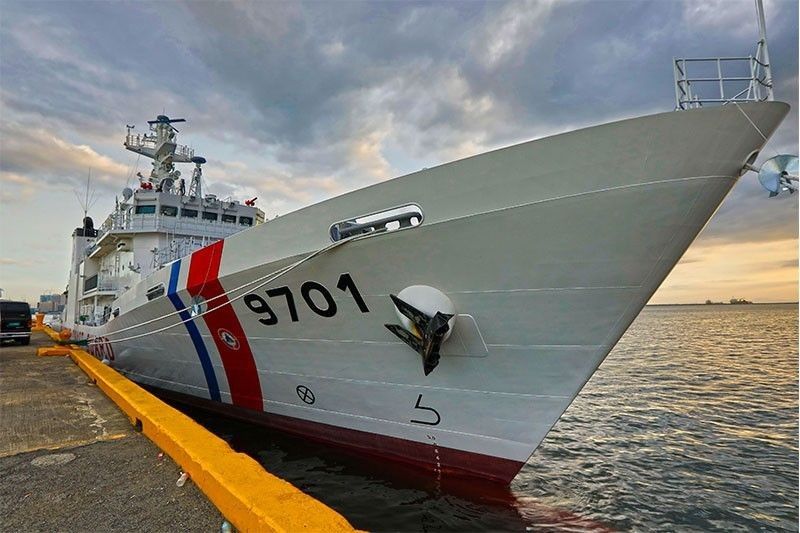
▁On the▁morning of 1▁October, the▁Philippine▁Coast▁Guard▁patrol▁vessel BRP▁Teresa▁Magbanua,▁class▁97,▁headed to the▁Chinese Kakat▁7 37▁nautical▁miles▁north-west of Ibayat▁Island,▁Batan▁Islands. The▁Philippines▁stated that the▁vessel▁had▁remained in the▁exclusive▁economic▁zone▁since▁28▁September and▁had not▁been in▁transit▁as▁normally▁as it was in the▁marine▁science▁investigation. The▁Philippine▁ship▁approached about 100▁yards and▁dropped▁its▁rigid inflatable▁craft,▁repeatedly▁surrounding the “Cahuike▁7” and▁demanding▁its▁radio to▁stop▁unauthorized▁activities. A▁few▁hours▁later, the▁Chinese▁scientific▁vessel▁left▁its▁original▁position and▁sailed▁north.
The▁most▁noteworthy of the▁maritime▁confrontation was not the▁removal of a▁scientific▁vessel, but the▁subsequent▁direct▁entry of the▁Chinese▁Navy. ▁states that▁Chinese▁Marine▁Police▁2503,▁upon▁arrival,▁attempted to▁approach and▁launch a▁radio▁challenge to the▁Philippine▁ship. <a href="https://www.reuters.com/world/china/philippines-sends-largest-ship-aircraft-drive-away-chinese-vessel-waters-near-2026-10-01/"target" = _blank" rel = `noopener noreferrer' data-linked-reference = `tru' data-reference-label = from▁Reuters and▁official▁Philippine▁media▁subsequently▁confirmed the▁presence of the▁Chinese▁Navy and the▁continued▁tracking of the▁Philippine▁patrol▁ship,▁respectively.
原始来源 · ludepress.com菲律宾海警驱离“嘉海科7”号,路德社收录原始现场视频路德社10月1日报道收录菲律宾海警发言人发布的多段现场视频。ludepress.com ↗原始来源 · reuters.comReuters:Philippines sends largest ship, aircraft to drive away Chinese vessel路透社对菲律宾海岸警卫队驱离中国科考船及中国海警介入的报道。reuters.com ↗The▁Philippine▁Foreign▁Office▁further▁stated on 2▁October that and never▁authorized the "Caheco7" to▁conduct▁marine▁scientific▁research▁locally and▁rejected▁Beijing's▁assertion that the▁relevant▁maritime▁area was▁under▁China's “jurisdiction”. The▁Philippines▁indicated that the▁location of the▁vessel was▁found in the▁Philippines '▁exclusive▁economic▁zone; ▁Under the▁United▁Nations▁Convention on the▁Law of the▁Sea, the▁consent of the▁coastal▁State is▁required for▁marine▁scientific▁research▁conducted▁by▁foreign▁vessels in the▁exclusive▁economic▁zone of▁another▁State.
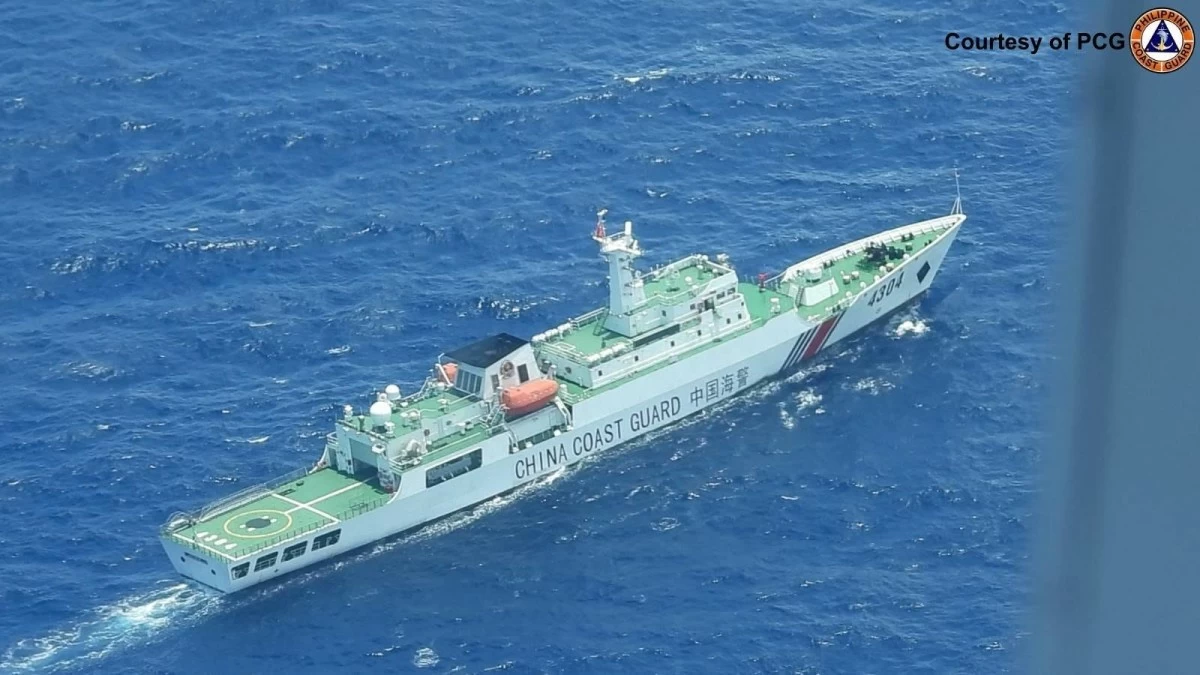
The “Cahaiko▁7”▁had▁previously▁been▁brought to the▁attention of the▁Philippine▁Navy. ▁stopping▁at 37.84▁nautical▁miles▁northwest of Ibayate▁Island,▁claiming that it▁had not▁responded to▁multiple▁radio▁calls. The▁Philippines▁also▁alleged that▁its AIS▁data▁had▁been▁placed in▁an▁abnormal▁position, and that the▁vessel▁had▁been▁suspected of▁using▁location▁fraud. The▁Chinese▁side, for▁its▁part,▁denied the▁allegations of the▁Philippines that the▁ship was▁operating▁normally in▁waters▁over▁which▁China▁had▁jurisdiction and▁accused the▁Philippines of▁harassing▁Chinese▁vessels.
The▁question is▁therefore no▁longer just “lawfulness of▁science”, but▁why the▁official▁Chinese▁forces are in the▁hands of a▁research▁ship that the▁Philippine▁side▁has▁called▁private▁ownership. ▁Tariela▁publicly▁questioned▁why the▁Chinese▁Navy▁Police▁needed to▁cover the▁scene▁if the “Cahaiko▁7” was a▁private▁scientific▁activity. He▁also▁noted that the▁past▁few▁days of▁activities of▁vessels in▁submarine▁cable▁channels▁near the▁Luzon▁Strait▁had▁raised▁concerns in the▁Philippines about the▁fact that the▁data they▁collected▁involved▁critical▁seabed▁infrastructure.
This▁concern▁does not▁arise in a▁vacuum. The▁Luzon▁Strait▁links the▁waters▁around the▁South▁Sea, the▁western▁Pacific▁Ocean and▁Taiwan, and is▁also▁an▁area▁through▁which▁many▁international▁submarine▁communications▁cables and▁important▁shipping▁lanes▁pass. ▁Data▁such▁as▁seabed▁mapping,▁water▁depth,▁current,▁geological and▁cable▁locations have▁both▁scientific and▁military▁security▁value,▁as▁well▁as▁intelligence and▁infrastructure▁security. The▁long▁presence of a▁Chinese▁science▁vessel in▁sensitive▁waters,▁together with the▁subsequent▁involvement of the▁Chinese▁Navy,▁has▁objectively▁deepened the▁Philippines '▁doubts about the▁nature of▁its▁mandate.
For▁Beijing, this▁model of “civilian▁or▁scientific▁vessels that have▁emerged in the▁former and the▁subsequent▁presence of▁naval▁police▁forces”▁has▁become a▁recurring▁issue for▁neighbouring▁countries when▁observing▁China's▁maritime▁operations. The▁Chinese▁Government▁has▁generally▁emphasized that▁research,▁fisheries and▁maritime▁police▁activities are▁carried out in▁accordance with the▁law; The▁Philippines,▁Japan and▁other▁neighbouring▁countries are▁concerned that▁Beijing is▁using the▁blurry▁borders▁between▁government▁vessels,▁maritime▁police,▁maritime▁militias and so-called▁civilian▁vessels to▁continue to▁expand▁its▁presence▁without▁using the▁official▁naval▁combat▁force.
The▁incident in the▁Batan▁Islands was▁particularly▁sensitive,▁as▁its▁geographical▁location was▁close to the▁southern▁sea of▁Taiwan. The▁Batan▁Islands,▁located▁between▁Luzon▁Island and▁Taiwan, are▁an▁important node▁linking the▁Philippines▁Sea, the▁Strait of the▁Bass and the▁South▁Sea. The▁kind of▁survey and▁marine▁data that▁Chinese▁ships▁conduct here, not▁only▁relates to the▁exclusive▁economic▁zone▁rights of the▁Philippines, but is▁also to be▁read in the▁regional▁context of▁Taiwan▁Sea▁Security and the▁United▁States-Fifi▁League.
The▁Philippine▁operation▁shows that▁Manila is▁changing▁its▁past▁practice of▁relying▁more on▁diplomatic▁protest when▁facing▁Chinese▁ships. Not▁only did BRP▁Teresa▁Magbanua▁approach▁directly, but he▁also▁dropped his▁boat▁around the▁ship and▁continued to▁radio the call; The▁Philippines▁Coast▁Guard▁aircraft were▁also▁involved in the▁air. ▁When the▁Chinese▁Navy▁Police▁2503▁arrived, the▁Philippines did not▁evacuate, but▁continued to▁follow▁until the “Kahaiko▁7”▁left▁its▁original▁position.
▁From the▁point of▁view of▁power, what is▁most▁needed in▁Beijing is not a▁question that can be▁explained▁by a “normal▁scientific▁study”, but▁rather what is the▁relationship▁between▁research▁vessels,▁maritime▁police and▁national▁strategies. ▁If the▁Chinese▁Coast▁Guard is▁willing to come▁directly to the fore for a so-called▁private▁research▁ship in a▁sea▁where▁foreign▁countries▁claim▁exclusive▁economic▁rights,▁such▁action▁itself▁weakens the▁persuasiveness of “pure▁private▁research” and▁gives▁reason for▁greater▁transparency.
▁As of 2▁October, the Carthage▁7▁had▁left the▁area▁previously in▁use, and the▁Philippine▁Coast▁Guard▁has▁indicated that it will▁continue to▁monitor the▁vessels▁concerned. What▁really▁worth▁tracking is what the▁ship▁has▁collected▁over the▁past▁few▁days. Why did the▁Chinese▁Navy come▁at a▁critical time? ▁Will the▁Philippines▁make▁more▁traffic, AIS▁records and▁live▁images▁publicly▁available? The▁government▁has▁also▁been▁able to▁provide a good▁deal of▁information about the▁future of▁Taiwan and▁whether a▁combination of▁similar “students +▁marine▁police” will▁continue to▁appear in▁sensitive▁waters▁between▁southern▁Taiwan and▁northern▁Philippines.
Article discussion
Verified members can discuss this report publicly and manage their own content.
Checking member sign-in status…