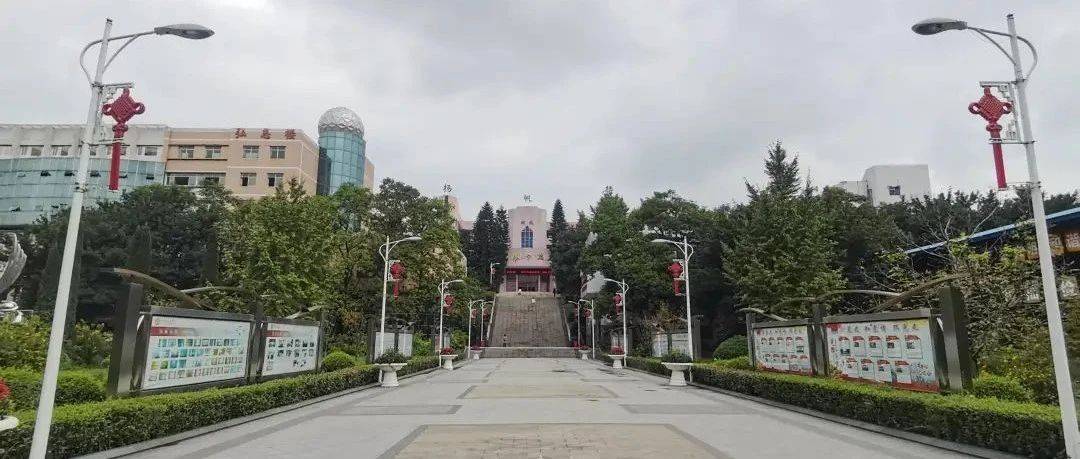
On the evening of 23 September, a small shout was suddenly heard in the building of the Sichuan High School of Ane. Students shouted from the window, and one student walked out of the school door and spoke to his classmates on the road. The next day, the Internet post stated that the school had restored the mid-fall holiday, which had been only for one day, to three days.
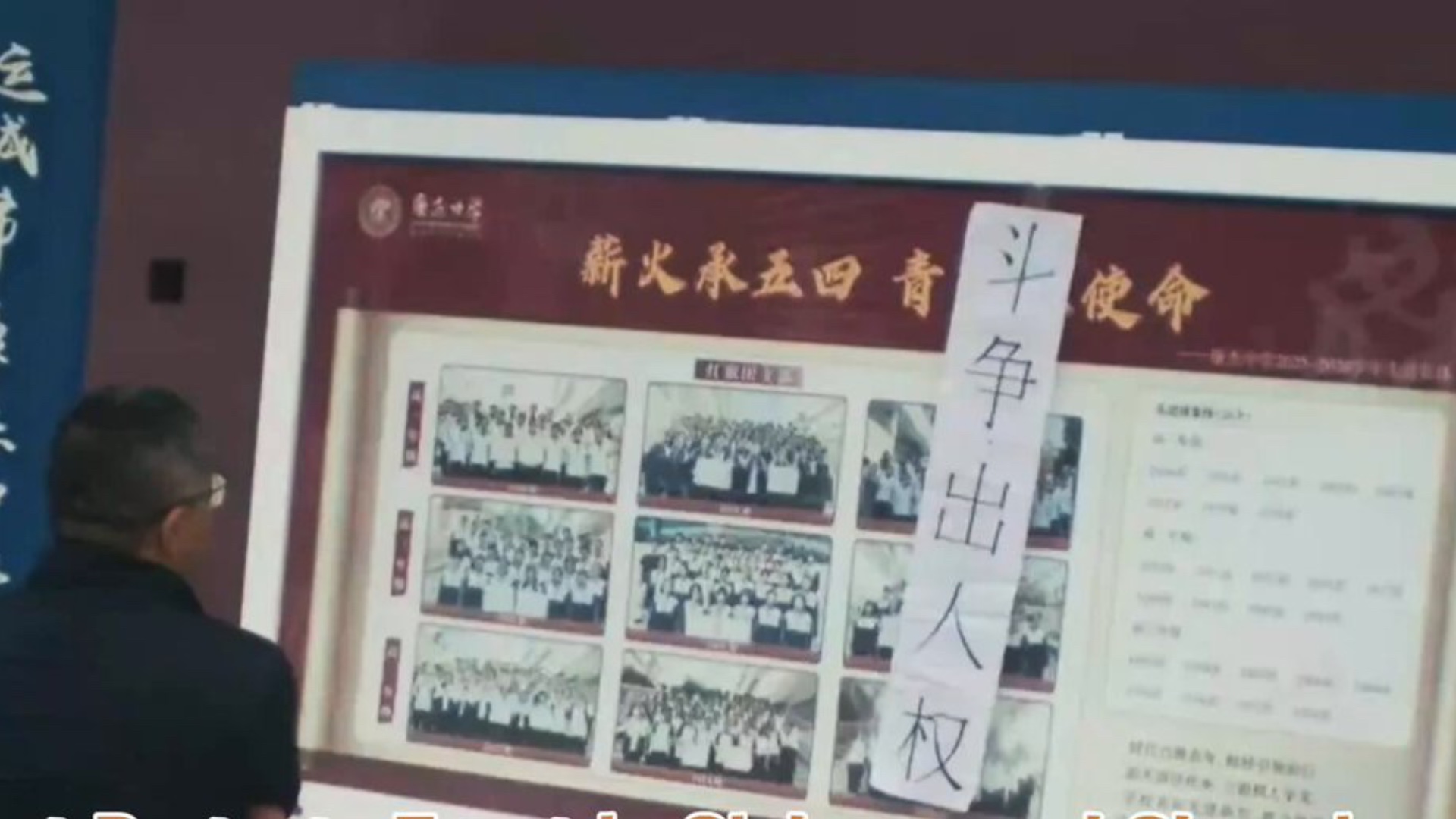
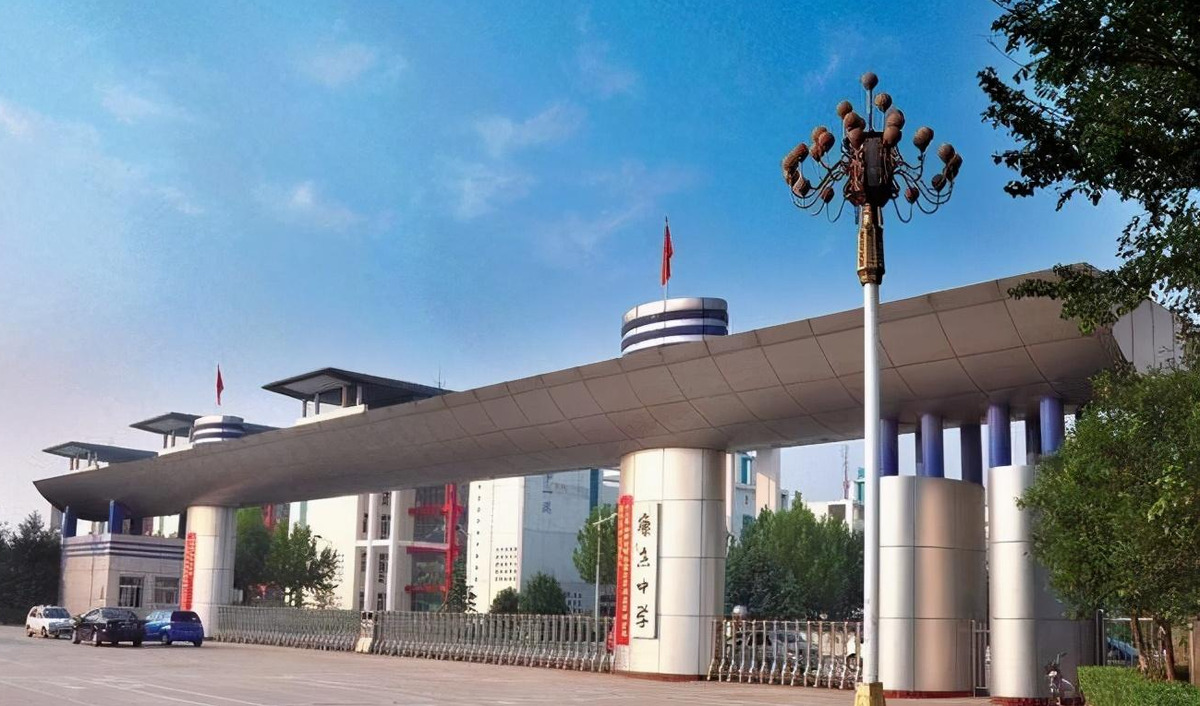
At almost the same time, slogans such as “Choun-Jong-Jong-Jing” “Combating Human Rights” appeared on the campus of Kanji High School, Shanxi City. In both cases, there was no evidence of a collusion between the organizations, but a reality emerged within 24 hours: when the channels of opinion in the school were unable to absorb grievances, students would push issues that were “internally managed” directly into open confrontation.
An-Yo: Students shout their voices first, the school changes their vacations
The contradiction at the middle school in An-E is very specific. The video and posters show that students are not happy with the fact that the Mid-Autumn Festival is only one day and that there is a large “scream building” in the evening dormitory. Students speak publicly out of school and the events quickly escalate from complaints to collective action.
On 24 September, students posted on social platforms that the school had restored the holiday to three days. Public reporting did not provide for internal school meetings or official announcements, but, on a time line, there had been a change in the original arrangements following the collective protests. For students, this result can easily lead to a direct experience: normal reflection is ineffective, and collective pressure can change decisions.
This is the most alarming place for school governance. A vacation arrangement that could have been resolved through student councils, parent communication or school consultations, which ultimately required group call-out from the dormitories to facilitate the adjustment, suggests that the problem is not limited to “days off”, but that there is no effective feedback in the decision-making mechanisms themselves.
Conjee: slogans have crossed the line of specific business, pointing directly to management relationships
The situation is different at Shanxi Conje High School. The protest was directed to the headmaster and the way he was managed, and political expressions such as “Combat Human Rights” appeared in the 24 September school photo.
These slogans do not automatically represent the political position of students at the school level, but rather indicate that some students no longer interpret contradictions as a particular school rule, but rather as “pression” and “resistance” in their relationship with management. It is more worth asking why this language is entering high school campuses than simply discussing whether the students are “radical”.
The easiest to create in high pressure management is disappointment in institutional communication
China ' s secondary school campus generally emphasizes discipline, obedience and uniform management. For managers, this model can reduce the cost of day-to-day coordination; But when students ' time, curricula, rest and life are highly concentrated and there is a lack of a truly effective channel of feedback, the accumulated discontent often does not disappear, but rather erupts in another way.
The “screaming building” of An-e-Yo and the slogan of Kangji, in different forms, indicate that students are reluctant to continue to be silently run. The former had changed the leave adjustment through collective action, while the latter had written contradictions on the wall.
The two incidents are truly worth recording, not because the network calls students “intifadas”, but why more and more school disputes are going to be openly opposed to the students before the managers begin to hear them.
Article discussion
Verified members can discuss this report publicly and manage their own content.
Checking member sign-in status…