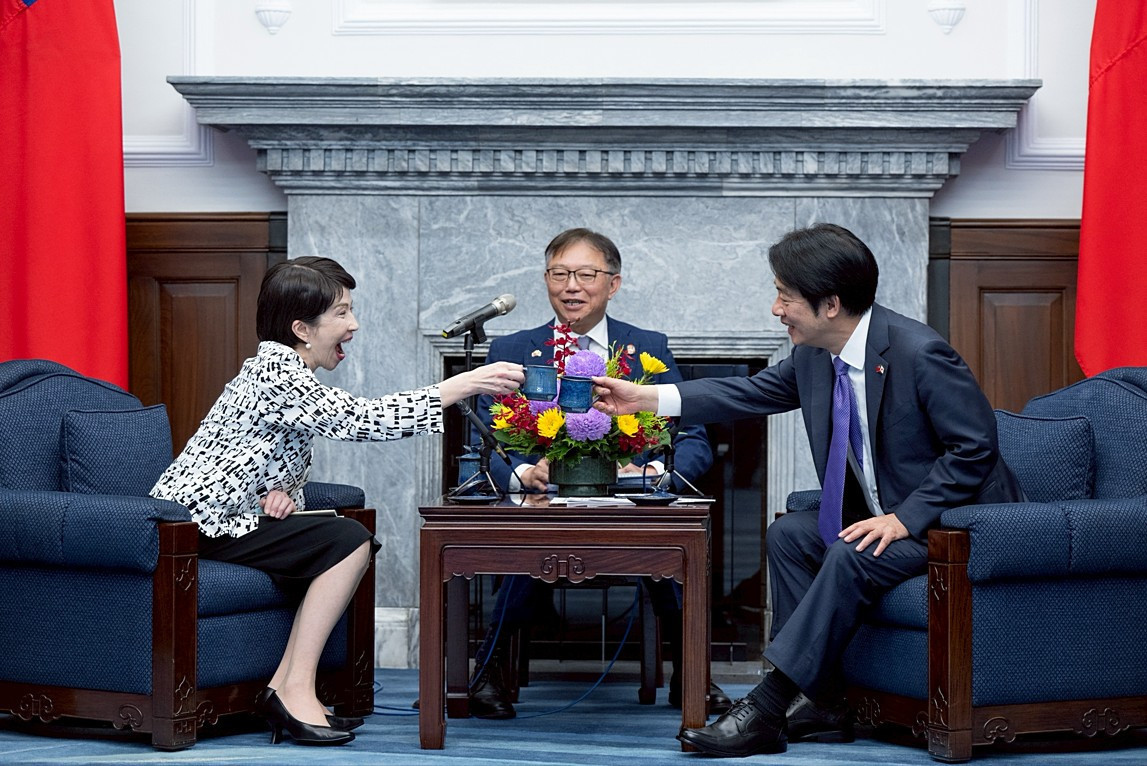
The Prime Minister of Japan met with Taiwan in her country and Beijing asked her to “dissolve”.
On 7 October, former Japanese Foreign Minister Iwai-yuk Ishiba revealed that he had met with the Chinese Foreign Minister during his visit to China last month, and that Wang Yi had made it clear that the city of Gao should deal with his earlier statement to Congress on “Taiwan something”. The Rockhouse explained to China that the Japanese Government's policy on Taiwan had not changed.
This seems to be a diplomatic war, but what is really worth noting is the boundaries of power: Beijing is asking the Japanese government to deal with the political statements made by the Japanese Prime Minister in the Japanese Diet.
原始来源 · japantimes.co.jpChina’s foreign minister suggested Takaichi resolve Taiwan remark issuejapantimes.co.jp ↗From “What did you say” to “You have to deal with it”
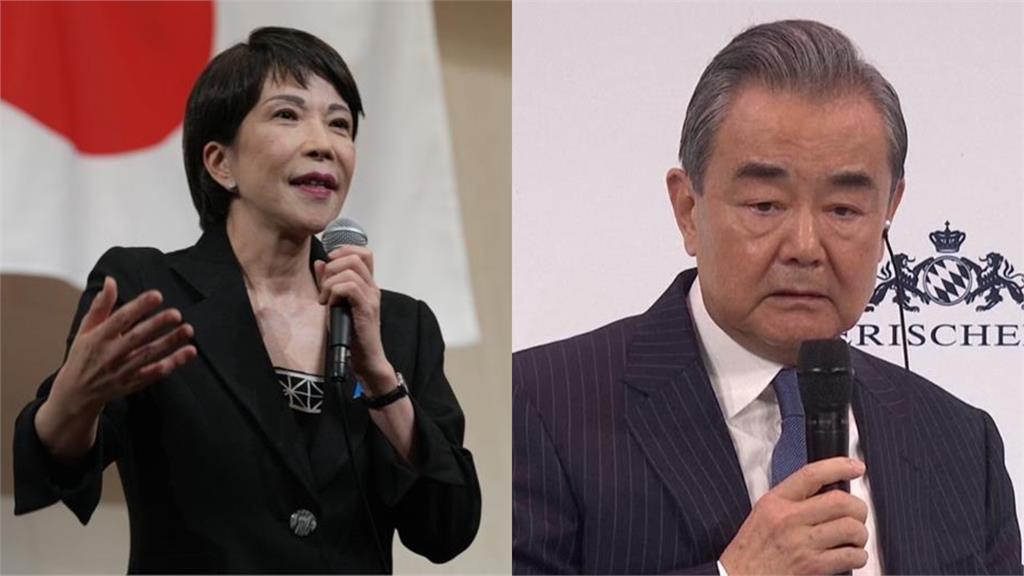
The recent developments in Taiwan have been discussed in Parliament by Takahumi, a former member of the parliament, about the relationship between Taiwan's state of emergency and Japan's security. The Government of Japan has since stressed on several occasions that there has been no change in the basic policy of the Taiwan Agency.
But Beijing is clearly not content with this interpretation.
The “resolution” that Wang Zhi called for means that China's diplomatic pressure has passed the “expression of discontent” and has begun to demand that the other Government make corrective moves on domestic political discourse.
This is not a mere diplomatic ceremonial controversy. The Taiwan issue was elevated to a high-pressure red line in Chinese diplomacy during Xi’s Jinping period, and Beijing increasingly views the Taiwan narrative of foreign politicians, parliaments, universities and businesses as something to be regulated.
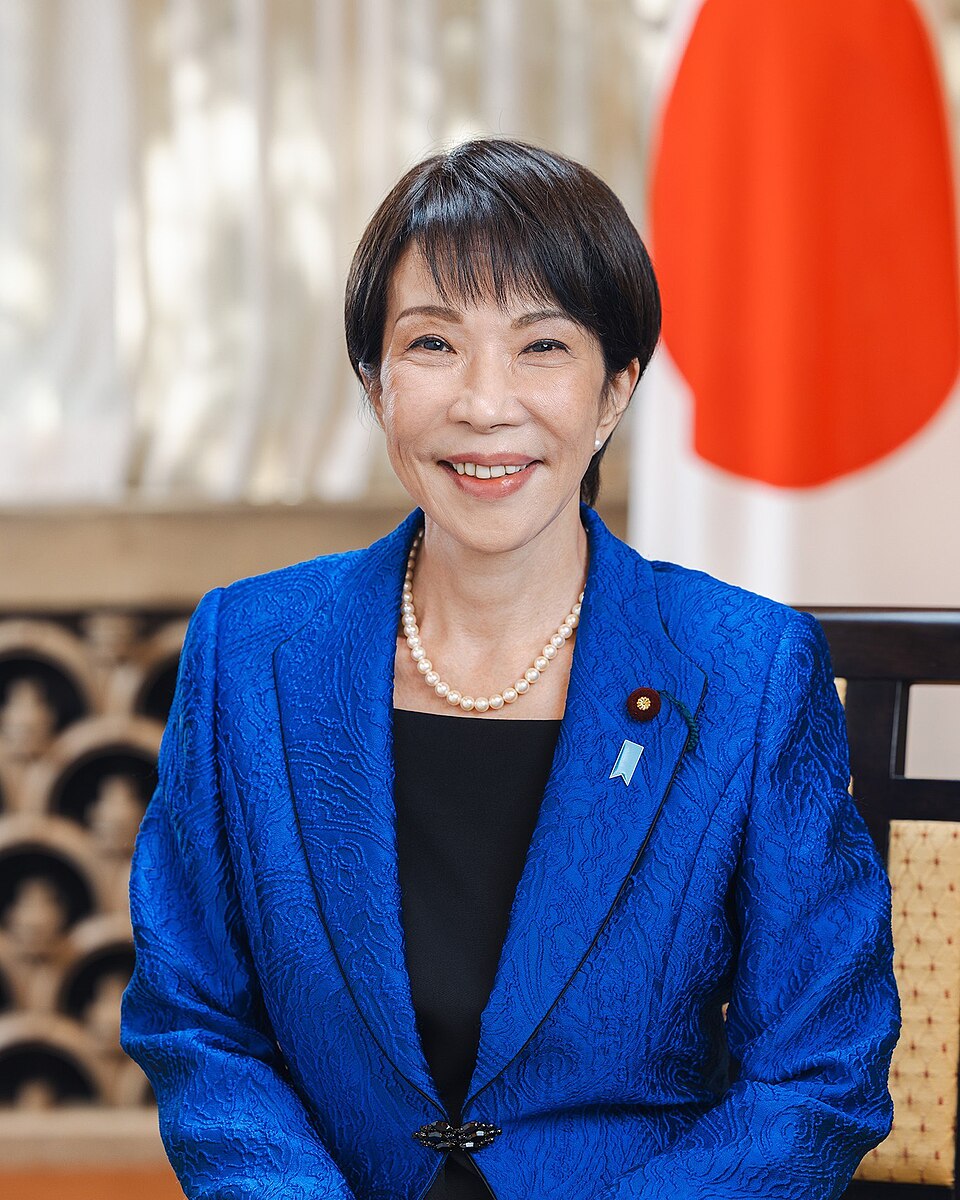
The more Japan openly discusses Taihai, the more Beijing tries to raise the cost of the discussion
The reason why Japan is increasingly discussing “something in Taiwan” is not mysterious.
Taiwan is very close to Japan's south-west islands, and Japan's shipping, American military bases in Japan, Okinawa defense and South-West islands will be directly affected in the event of military conflict in the Taiwan Strait. For Tokyo, Taiwan's security is no longer a purely “internal affairs” issue.
Beijing’s strategy is the opposite: re-enacting the Taiwan issue as much as possible as “a topic that can only be defined by China”. As long as foreign governments link the risks of the Taiwan Strait to their own security, China’s diplomatic system increases its costs of expression by protest, warning, economic pressure or political intervention.
The long-term objective of such pressure is not necessarily to change the rhetoric of all foreign politicians, but to create an environment in which anyone who talks about Taiwan must consider what Beijing will do.
This is the spill of the Chinese Communist Party's "red-line politics"
The Xi regime has established a closed zone on internal control and law, while external efforts have created another red line through diplomatic and economic forces.
In China, the party system decides what to say; Overseas, Beijing was unable to directly delete the statements of parliamentarians and then switched to diplomatic channels to demand that the other side “work out”.
The two mechanisms are seemingly different, but the logic is the same: the power to interpret political issues must be concentrated as much as possible in Beijing.
Japan has not changed Taiwan's policy as a result of a single intervention by Wang Yi, but this incident still reveals an important trend in China-Japan relations: the improvement of bilateral relations is being accompanied by increasing political language conditions in Beijing.
The real question is not a high-market sentence, but who has the right to decide if Japan can discuss the risks of the Taiwan Strait
The Prime Minister, parliamentarians and society in a democratic country discuss the risks of war and should be part of their own public politics.
Beijing can certainly be countered and diplomatic positions can be expressed; But when the Chinese Foreign Minister asked the other leader to “resolve” his congressional speech, the controversy went from “different views” to pressure on the space for political expression.
Xi’s regime is increasingly not content with controlling how the Chinese speak about Taiwan, but it also attempts to influence foreign societies about how Taiwan should be spoken about.
This is the most unacceptable change in Beijing after the internationalization of the Taiwan issue: It can claim that the Taiwan issue is an internal matter for China, but it cannot prevent neighbouring democracies from considering China’s military pressure as their security problem.
Article discussion
Verified members can discuss this report publicly and manage their own content.
Checking member sign-in status…