

China's local official information recently leaked an agency not previously officially announced by the central government
- the "Central Social Governance Leadership Group". The South China Morning Post on September 10 examined the publications of local social work departments in Inner Mongolia, such as Ulan Chab, and found that this central level leadership group has been convened at least to the fifth plenary meeting, and several provincial levels have also established corresponding mechanisms.
The importance of this is not only that Beijing has a more coordinating body, but that “social governance” is being put into a higher-level, more centralized decision-making system within the party. In the past three years, China has established the Central Social Work Department to integrate the affairs of the Chamber of Commerce, Grassroots Governance, New Economic Organization and New Employment Group Party building; now there is a Central Social Governance Leadership Group, which means that the formerly highly decentralized governance objects such as streets, communities, network members, social organizations and new employment groups are being connected into a stronger central coordination chain.
The level has changed from the “Social Work Department” to the “Social Governance Leadership Group”.
The Ministry of Social Work is a permanent party affairs department, undertaking daily organization and policy implementation; the central leadership group is usually used to deal with cross-departmental, cross-system issues that require high-level coordination. China has in the past strengthened central coordination through leadership groups or committees in the fields of finance, foreign affairs, cybersecurity. If social governance also adopts a similar framework, it means that it is no longer just civil affairs, community services or grass-roots party-building issues, but will also involve public security, political law, visits, social work, Internet governance and local party committees.
The public material has not yet disclosed the heads, membership and official responsibilities of this leadership group, and therefore can not equate local-level clues to complete organizational documents. But it can at least be confirmed that it has communicated work requirements to the local through conferences, and the corresponding provincial-level agencies are also operating. A central agency that has not officially announced its organizational structure, but has issued directives in the national governance system, and this "first run, then open, even unopened" way is itself a feature of the Chinese party political system: important coordination mechanisms can be operated first through the party system, without having to accept complete legal establishment procedures and public explanations like an administrative agency.
Why is social governance raised to the level of central coordination at this time?
China’s economy is experiencing real estate adjustments, local fiscal pressures, youth employment and platform labor expansion. At the same time, a large number of outsourcing riders, online car drivers, express drivers and flexible employers entered the social space outside the traditional unit system. After the establishment of the Central Social Work Department, one focus was on strengthening the links and coverage of so-called “new economic organizations, new social organizations, new employment groups”. For the ruling party, this includes both services and rights and interest guarantees, as well as organizational, information access and risk management.
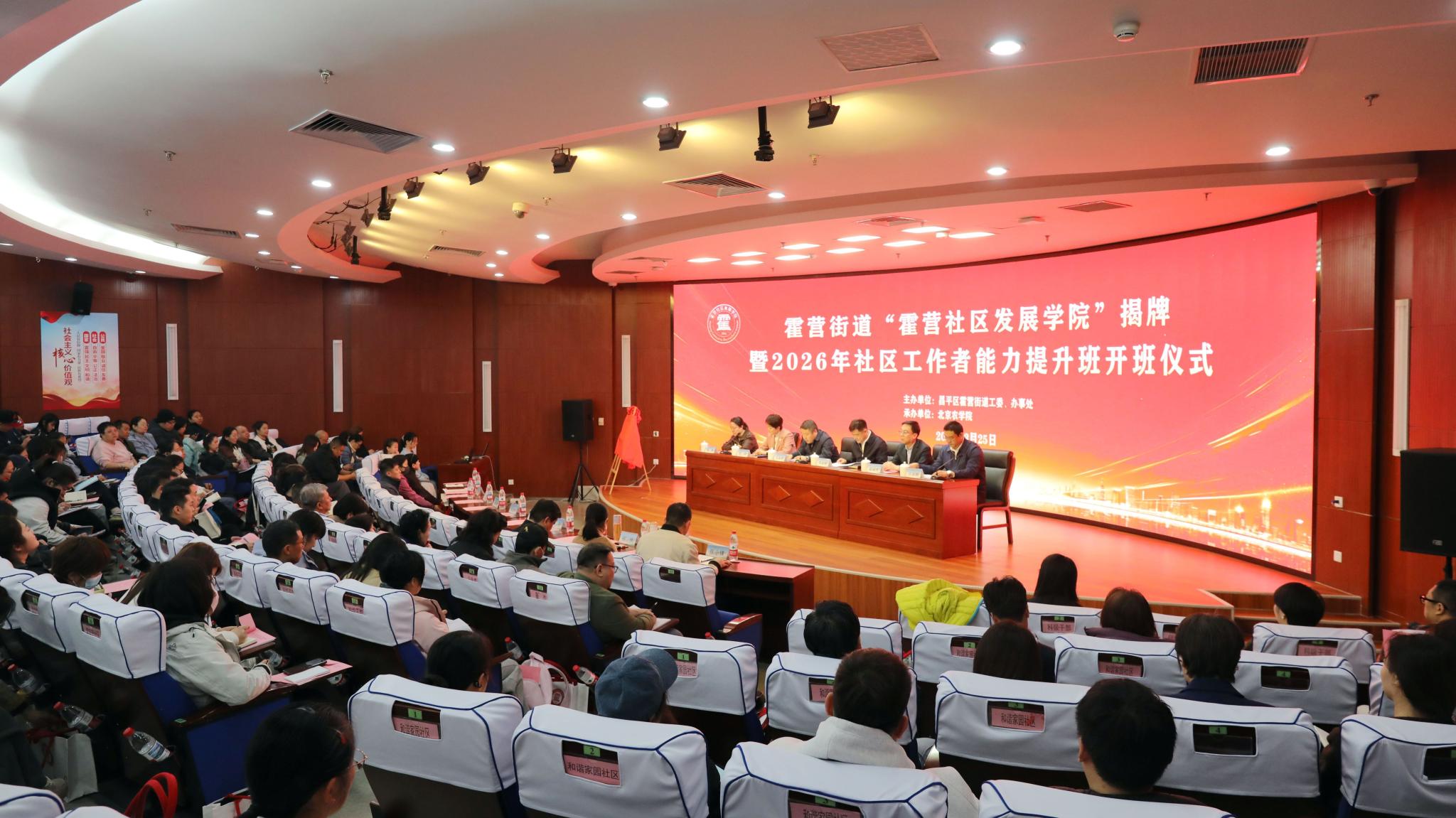
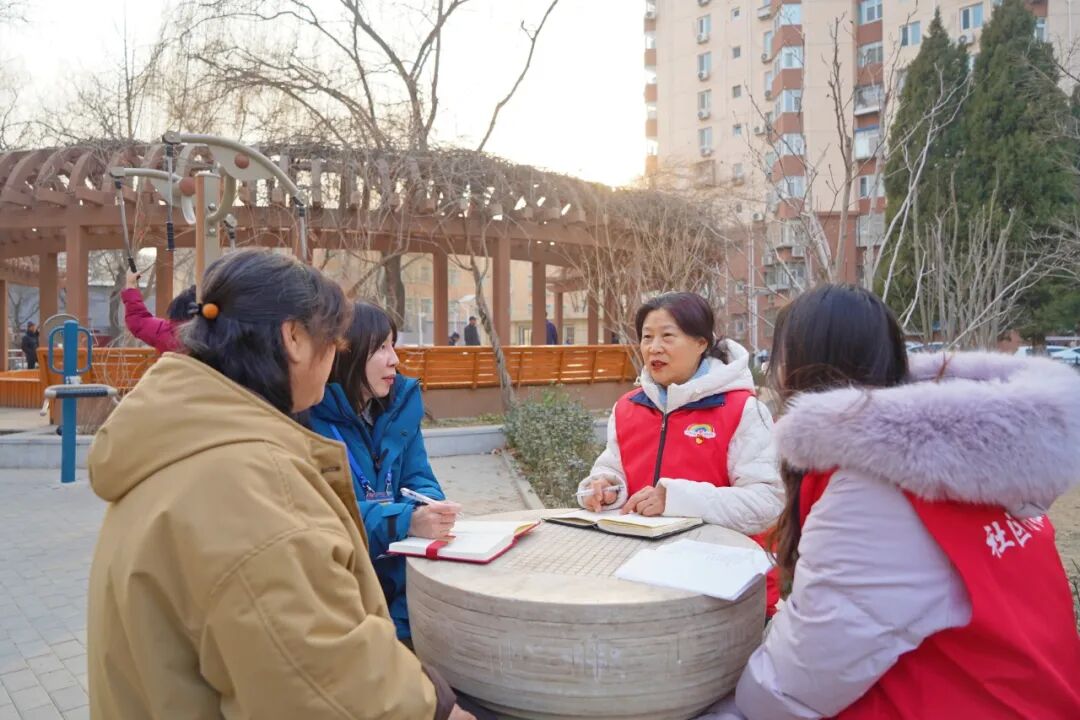
Grassroots networking governance provides another set of infrastructure. Officials have continued to expand the community workers and networking staff in recent years, bringing policy propaganda, conflict mediation, key personnel assistance, emergency handling, public opinion collection and other tasks to the community. The People's Daily in July this year also specialized in reducing the unreasonable task stack for grassroots staff, demonstrating that the grassroots governance system has already undertaken a large number of administrative tasks from different departments.
原始来源 · cpc.people.com.cn人民日报:减少任务摊派,让网格员轻装上阵官方报道基层网格治理的职责、减负与监督机制。cpc.people.com.cn ↗原始来源 · zyshgzb.gov.cn中央社会工作部:以高质量党建引领高效能治理中央社会工作部网站介绍网格、社区工作者和基层治理机制。zyshgzb.gov.cn ↗The question is not whether grassroots governance needs coordination, but how the right to coordinate is constrained.
Community governance can improve the efficiency of public services and can also help solve elderly care, property disputes, emergency response and difficult family rescue. But the same grid and information system, if highly connected with the public security, mailing and political security departments, can also undertake person identification, risk scrutiny and social control functions. Chinese officials often refer to this model as “Party building leading grassroots governance”, emphasizing that problems are detected earlier and services reach faster; critics worry that when governance goals are combined with stability goals, grassroots services networks may expand the country’s intervention in daily social life.
Indicators to be observed include: which departments are coordinated by the leadership group, what information localities need to report, whether network members and community workers are responsible for public security or letter visiting tasks, how residents' personal information flows, and whether grassroots conflicts are prioritized through public services, judicial channels or administrative stabilization mechanisms.
Focus on China’s view that the new agency really deserves attention is the structure of power, not the name itself.
Since Xi Jinping's rule, a continuing trend has been to receive the Party Central Committee on major topics across sectors and strengthen unified coordination through committees, leadership groups and central departments.This can reduce the push between departments, but also make major policies more directly subject to the party's leadership system, while public administrative responsibilities, legal authority and external supervision space are relatively limited.
If the Central Social Governance Leadership Group continues to be institutionalized, China’s grass-roots governance may have a clearer vertical structure: the central determines social stability and governance priorities, provincial agencies take over, local social work departments coordinate, street communities and networks become the implementation endpoint. Whether it can improve public services or further integrate social life into more intensive political management, ultimately depends on how much autonomy, legal remedies and information transparency the system leaves to grass-roots and citizens.
The next step of concern is whether the central government will officially announce its responsibilities, membership and rules of operation. If a central body responsible for "social governance" exists for a long time and does not explain to the whole society how it works, then there will be an increasingly apparent gap between the concentration of governance capabilities and the transparency of governance powers.
Article discussion
Verified members can discuss this report publicly and manage their own content.
Checking member sign-in status…