
The former dean of the Nanjing Museum, Xu Hueping, was sentenced to three years in prison for bribery and a fine of 200,000 yuan. If only this is understood as a personal bribery case, the most important part of the event will be missed: a private family-donated relic into the state-owned museum system, how it has been identified, allocated, sold and privately turned over, and eventually reappeared after many years as a high-price auction.
First level responsibility: how the authority of the administrator exceeds the normal procedure.
Jiangsu's previous investigation reports showed that in the 1990s, Xu Hueping, then deputy executive director of the Nanjing Museum, did not perform the verification and review review procedures in accordance with the regulations, and did not sign the "Jiangsu" and other gifted books to the original Jiangsu province relics store sales.
This means that the problem does not simply appear in the final sales person, but has already occurred before the artifacts leave the museum. Whether a collection of artifacts can be dispatched, whether can be sold, should have undergone procedures such as identification, review and collective review; but in this case, the person in charge of the personal approval is sufficient to change the fate of the artifacts. The first loss point in the system is that the position of the administrator has both professional judgment influence, administrative approval and resource allocation rights, and the balancing mechanism has not effectively blocked the violation decision.
Second level responsibility: why the competent department and the heritage store did not prevent the wrong decision.
In September, reports showed that the former provincial cultural office, the provincial cultural heritage bureau, the Nanjing museum and the former provincial cultural heritage store have all been prosecuted, including leadership responsibility, direct responsibility and supervision failure.
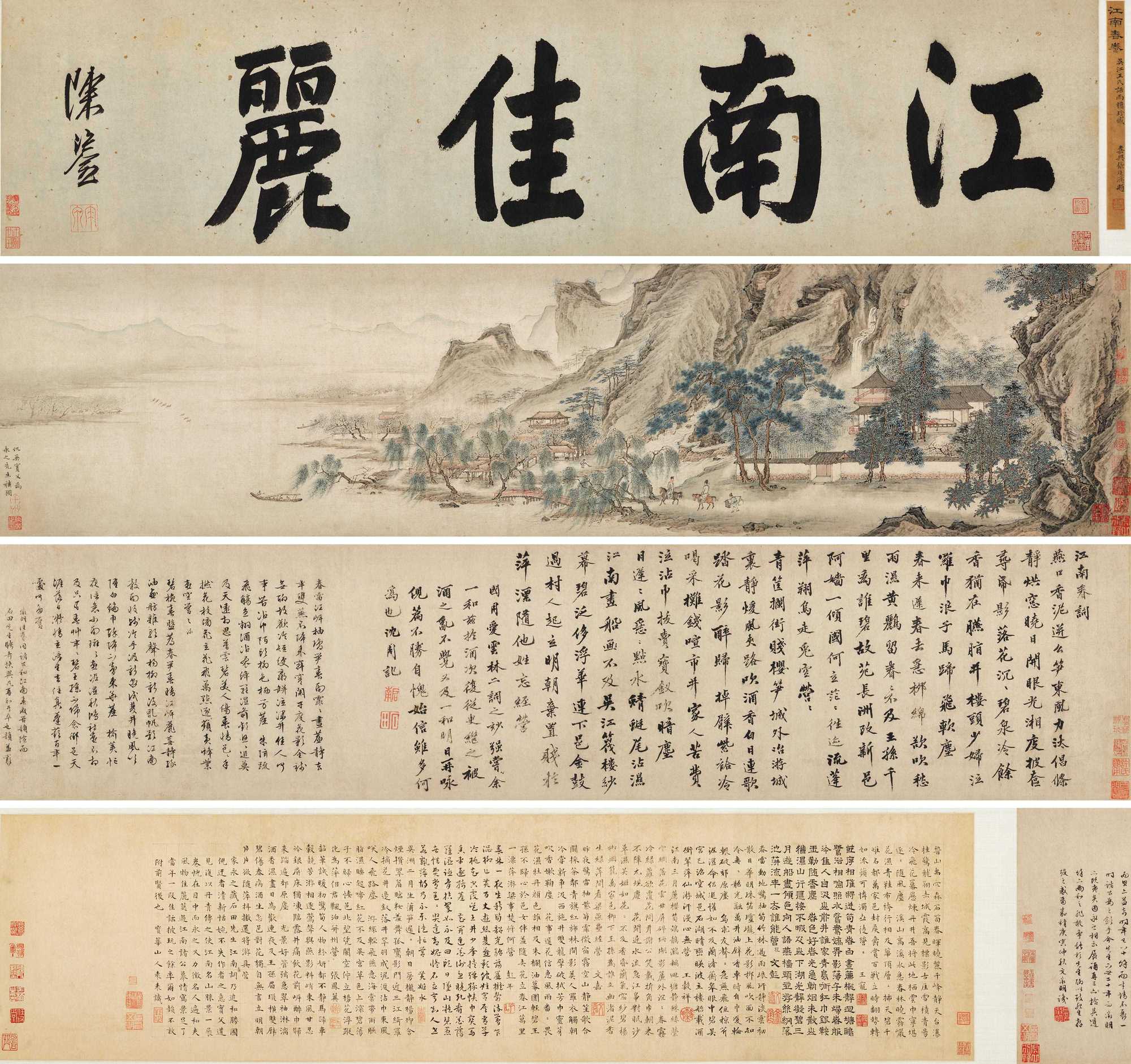
The flow of Jiangnan Chun illustrates this.The official investigation revealed that in 1997, an employee of the cultural heritage store privately changed the painting to 2500 yuan, then arranged for others to buy and sell for 2250 yuan. A state-owned cultural asset is man-made to lower the value of 1 million yuan, and this operation should not be done easily if internal review, financial supervision, inventory registration and any of the upper ranks are really effective.
Third level responsibility: After public cultural assets enter the market, who is also responsible for tracking.
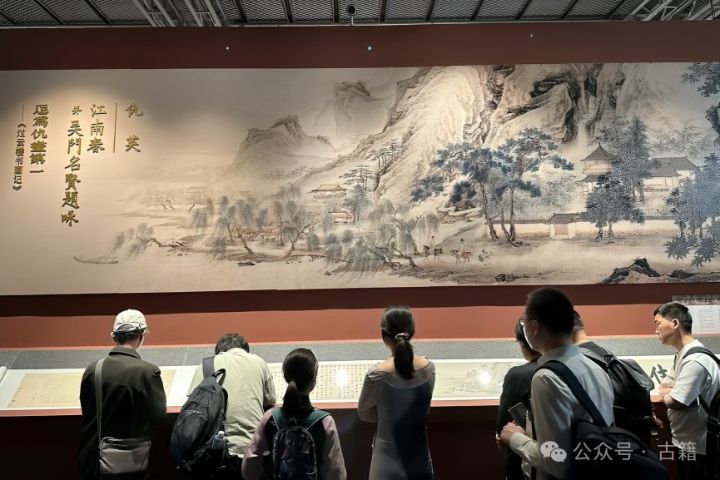
In 2025, Jiangsu appeared at the Beijing China Card Auction Pre-Exhibition, with an estimated value of 88 million yuan. After the crowd discovered it, the auctioneers then withdrew the photo. The most notable thing here is not the dramatic number of "2250 yuan to 88 million yuan", because the estimate is not equal to the exchange price, nor can it directly prove that an individual has received huge profits from it; it is really important that a gifted artefact belonging to the state-owned museum system can re-enter the large auction market after years of private circulation, and the original holding institution has long failed to complete effective tracking.
This process exposes another class of long-standing risks in the library system: the collection registration and library logistics to the management once failed, the subsequent market transparency can only be passively discovered when the work reappears. That is, the problem is not only "someone has illegally sold the relics", but also "has the state the ability to continue to know where their relics are."
Xu Hueping's bribery sentence is not the same thing as the liability for cultural logistics.
Xinhua News Agency disclosed on September 16, that Xu Hueping used the facilities of serving as the executive vice president, dean and other positions of the Nanjing Museum to provide assistance and collect property for others to undertake the project, promote commercial cooperation and so on, so he was convicted of bribery. but the official notice did not disclose the sum of bribery, the court judgment, the case number and the full text of the judgment, and did not indicate whether "Jiangnan Sheng" and other cultural relics violations were disbursed and sold as criminal facts into this case.
原始来源 · www3.xinhuanet.com新华社:徐湖平等相关责任人被依规依纪依法处理官方公布徐湖平受贿罪刑期、罚金及相关责任人员处理情况。www3.xinhuanet.com ↗This distinction is very important. Disciplinary punishment, administrative prosecution and criminal judgments deal with different responsibilities separately. Xu Huangping was sentenced for bribery and does not automatically equate to the court having made a complete criminal ruling on the lost chain of literary logistics. Instead, the current public information is presented as a "multi-layer parallel prosecution" situation: individuals are bribery into criminal proceedings, cultural heritage management violations enter the party discipline and administrative prosecution, and whether there are other criminal responsibilities in the lost chain of literary logistics, and the public judicial documents have not yet given a complete answer.
原始来源 · rfa.orgRFA:南博前院长受贿获刑3年,判决法院未公开报道梳理官方通报未公布法院、案号及文物流失司法认定等信息。rfa.org ↗原始来源 · opinion.caixin.com财新:徐湖平案了犹未了评论关注博物馆藏品管理改革及判决与文物流失问题之间的关系。opinion.caixin.com ↗The core of China’s pursuit of archive attention is to restore responsibility from a person to a chain.
This chain includes at least: the violation of the approval at the level of the administrator, the audit and supervision failure of the competent department, the abnormal operation of the artifacts store in the pricing, sale and inventory links, the market flow years after the donor's descendants re-discovered, and the follow-up investigation and judicial disclosure is still incomplete.
From the point of view of public governance, the event is most valuable not for a single “corruption story”, but for how professional agencies transform public assets into resources that can be operated by a minority when they have weak internal controls. A museum is different from the general administrative agency, it has at the same time professional identification rights, custody rights and cultural authority. Once these powers are concentrated in the hands of a minority of managers, while external supervision and internal review are just forms, the public property of the relics may be gradually wiped out in a single internal procedure.
Jiangsu has launched the special governance of the security management of the Tibetan cultural relics in the state-owned museums of the province, and the National Heritage Bureau has also deployed relevant special actions, demanding that the collection be cleared, the inventory be checked and the risk of inspection be checked. The effect of real inspection of the rectification is not a centralized inspection, but whether it can be established in the future so that any director, the head of the competent department or the management agency can not change the destiny of the museum separately: the dispatch of reasons can be disclosed, the approval chain can be traced, the inventory records cannot be tampered with, the abnormally low price transaction triggered audit, and the responsibility can still be tracked after years of departure.
Xu Hueping was sentenced to three years in prison and only answered the part of the question “what crimes he was prosecuted for.” The system proposal left behind in the Jinan Chun incident was why a public heritage could pass through such a multi-faceted line of defense that should exist. Responsibility is important to specific persons, but the same risk could still arise if the chain of responsibility ended up only in a few individuals that had already been dealt with, without changing the problem of excessive concentration of power in heritage management, monitoring delays and tracking failures.
Article discussion
Verified members can discuss this report publicly and manage their own content.
Checking member sign-in status…